





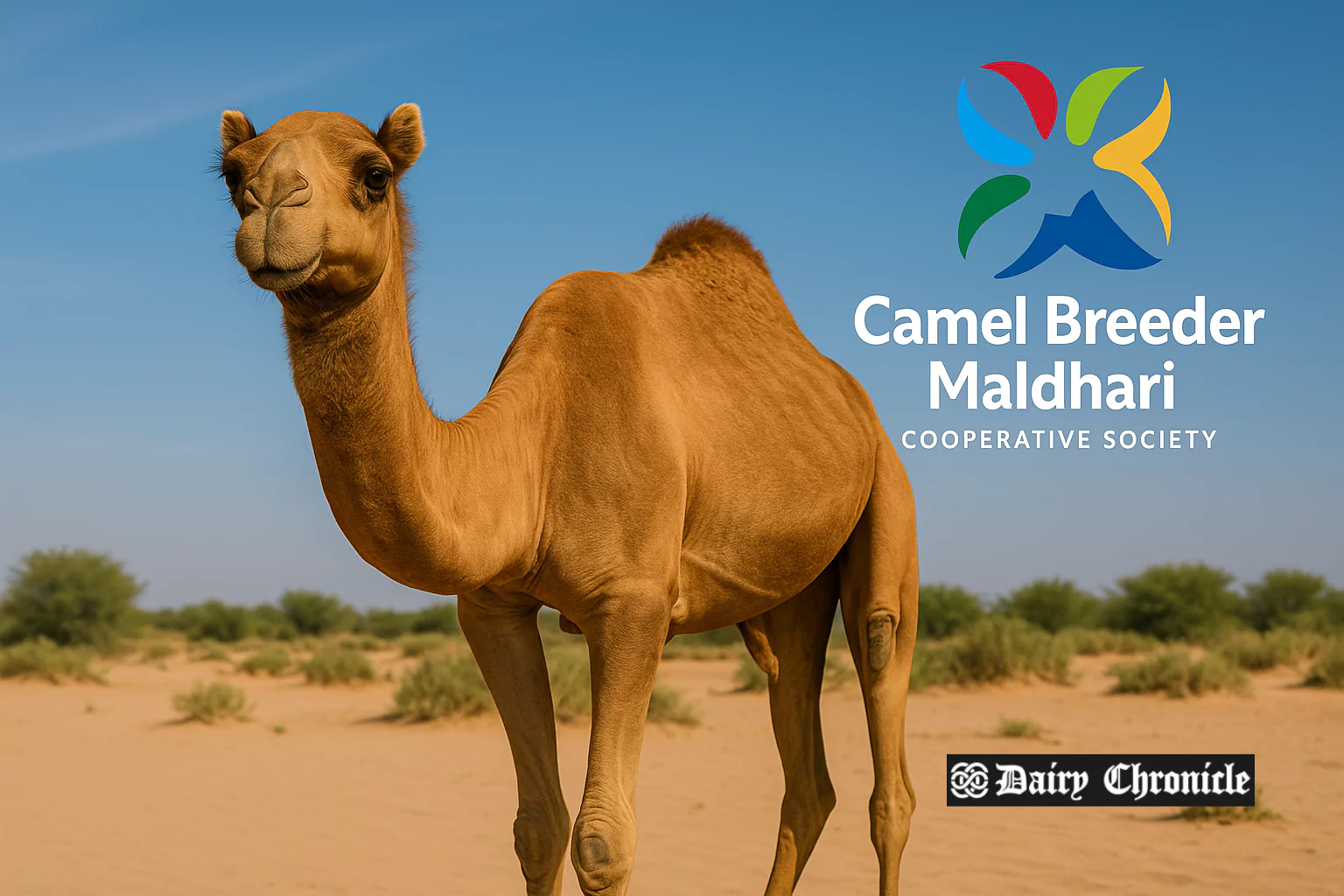
India, through a government-backed initiative involving Gujarat and Rajasthan, is pioneering the collection and medicinal application of camel milk. Supported by the Camel Breeder Maldhari Cooperative Society in Kutch and several Ayurvedic companies, this effort seeks to improve rural livelihoods, promote scientific research, and tap into the growing global demand for natural, functional dairy products.
In a transformative development for the Indian dairy sector, the states of Gujarat and Rajasthan have initiated a government-backed program to collect and process camel milk for its medicinal and Ayurvedic potential. The initiative, led by the Camel Breeder Maldhari Cooperative Society based in Kutch, Gujarat, represents a shift in India’s dairy economics and is set to uplift camel-rearing communities while tapping into a high-value health niche.
The movement gained momentum following discussions chaired by Union Home and Cooperation Minister Amit Shah with cooperative workers from Gujarat, Madhya Pradesh, and Rajasthan. It was during these meetings that Miralben Rabari, representing the cooperative society, emphasized the economic potential of camel milk—prompting the government to initiate chemical research and value-chain development.
To validate the health benefits, four Ayurvedic companies have undertaken scientific analysis of camel milk’s chemical composition. One company has already completed its research, indicating promising medicinal properties. The ultimate objective is to create a national supply chain that supports camel breeders and feeds into India’s growing Ayurveda and wellness sectors.
The collection and processing of camel milk are expected to fetch premium prices, thereby directly increasing breeder income in rural areas of western India. The program also aligns with India’s broader push toward high-value, natural health products under the expanding umbrella of functional foods.
By positioning camel milk as a medicinal commodity rather than just a nutritional one, India is tapping into a lucrative and largely untapped global demand. Government cooperation with local breeders and private Ayurvedic firms demonstrates a unique model of innovation-driven agribusiness, combining tradition, science, and market strategy.
The plan could soon lead to a national network of camel milk producers, adding economic strength to regions historically marginalized in dairy commerce. As the global dairy industry watches closely, India is setting an example of how indigenous resources, when supported with science and policy, can unlock new commercial and developmental frontiers.


