




In India, synthetic dairy startups like Perfect Day, New Culture, and Formo are gaining traction as the industry explores precision fermentation-based milk production to address bacterial contamination. With rising safety concerns and biofilm issues in traditional dairy, synthetic milk is being considered a cleaner, pathogen-free alternative.
In India, biotechnology-driven food innovation is taking a bold leap forward with synthetic dairy, especially in cities like Mumbai, Maharashtra. Companies such as Perfect Day, a U.S.-based pioneer in animal-free dairy proteins, New Culture, and Berlin-based Formo are now expanding their footprint in India, aiming to introduce lab-grown milk as a sterile, sustainable solution to microbial risks in conventional dairy.
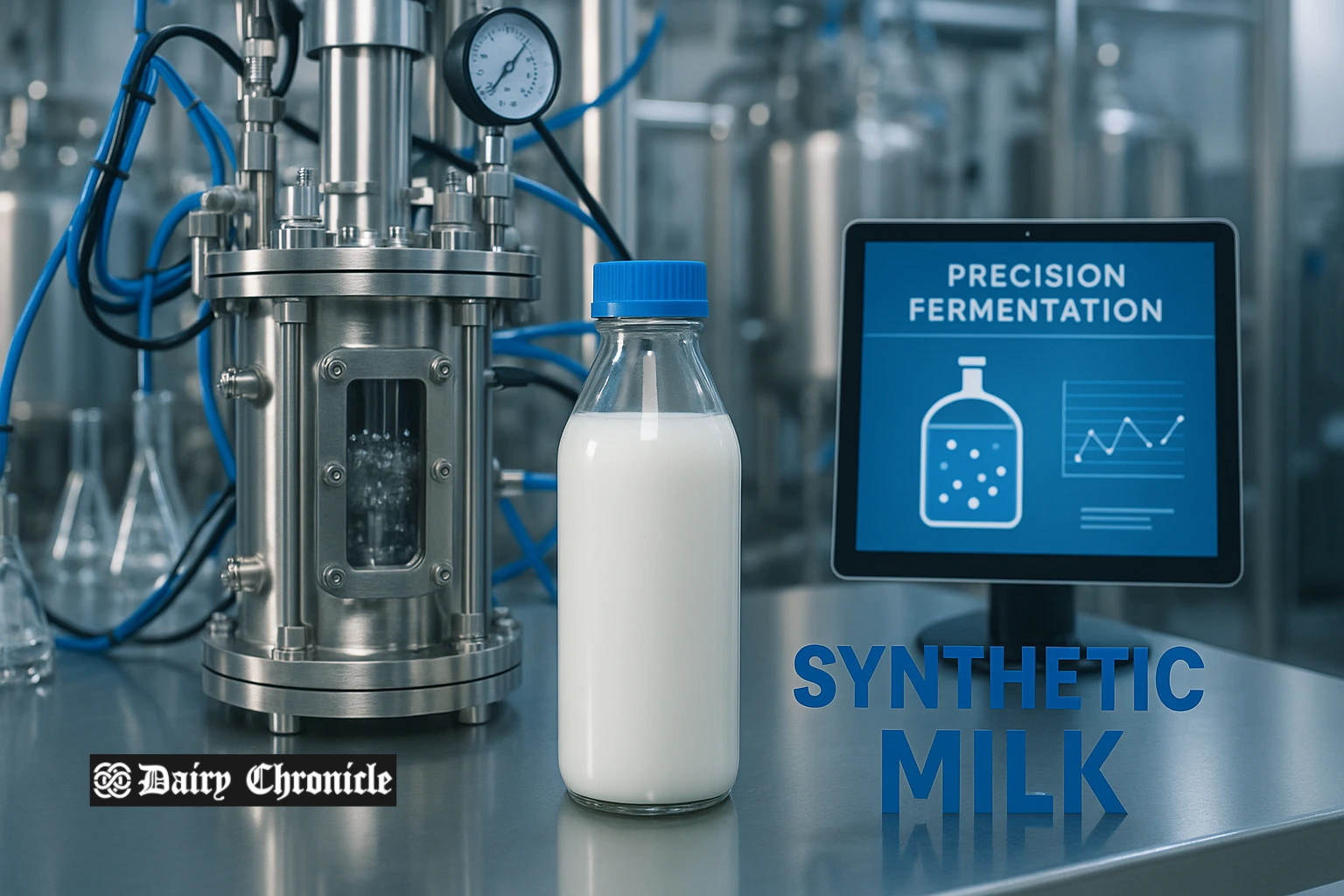
This next-generation milk is created through precision fermentation, where key milk proteins—whey and casein—are synthesized in sterile bioreactors. These proteins are then blended with plant-based fats, water, and minerals to create dairy products like cheese, ice cream, and milk alternatives. The process eliminates the need for pasteurization, as it inherently avoids contamination from pathogens like Listeria, Salmonella, and spore-forming microbes commonly found in animal-sourced milk.
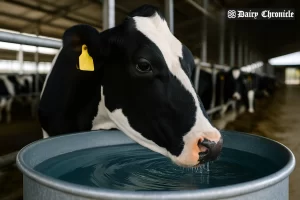
Unlike traditional dairy systems in India, which frequently struggle with bacterial biofilms in milking and storage equipment, synthetic dairy bypasses such risks entirely. For India’s dairy sector—the largest in the world—this could mean significant improvements in milk quality, shelf life, and safety standards.
However, major barriers persist. Lab-grown milk currently costs two to three times more than farm-sourced milk, and India’s regulatory bodies are still evaluating how to classify and label such novel foods. Consumer skepticism, especially in rural areas, also presents a hurdle, though urban markets are gradually showing more openness, especially among sustainability-minded consumers.
Despite these challenges, the synthetic dairy sector is attracting growing investments, including from Indian venture capital firms seeking to back safer and more sustainable food technologies. Industry experts view it as a potential game-changer for premium dairy segments, particularly in health-conscious urban hubs across Maharashtra and beyond.
With robust food safety frameworks and increased public awareness, synthetic dairy in India may soon evolve from novelty to necessity—especially in a post-pandemic world where hygiene and health are at the forefront of consumer preferences.


