






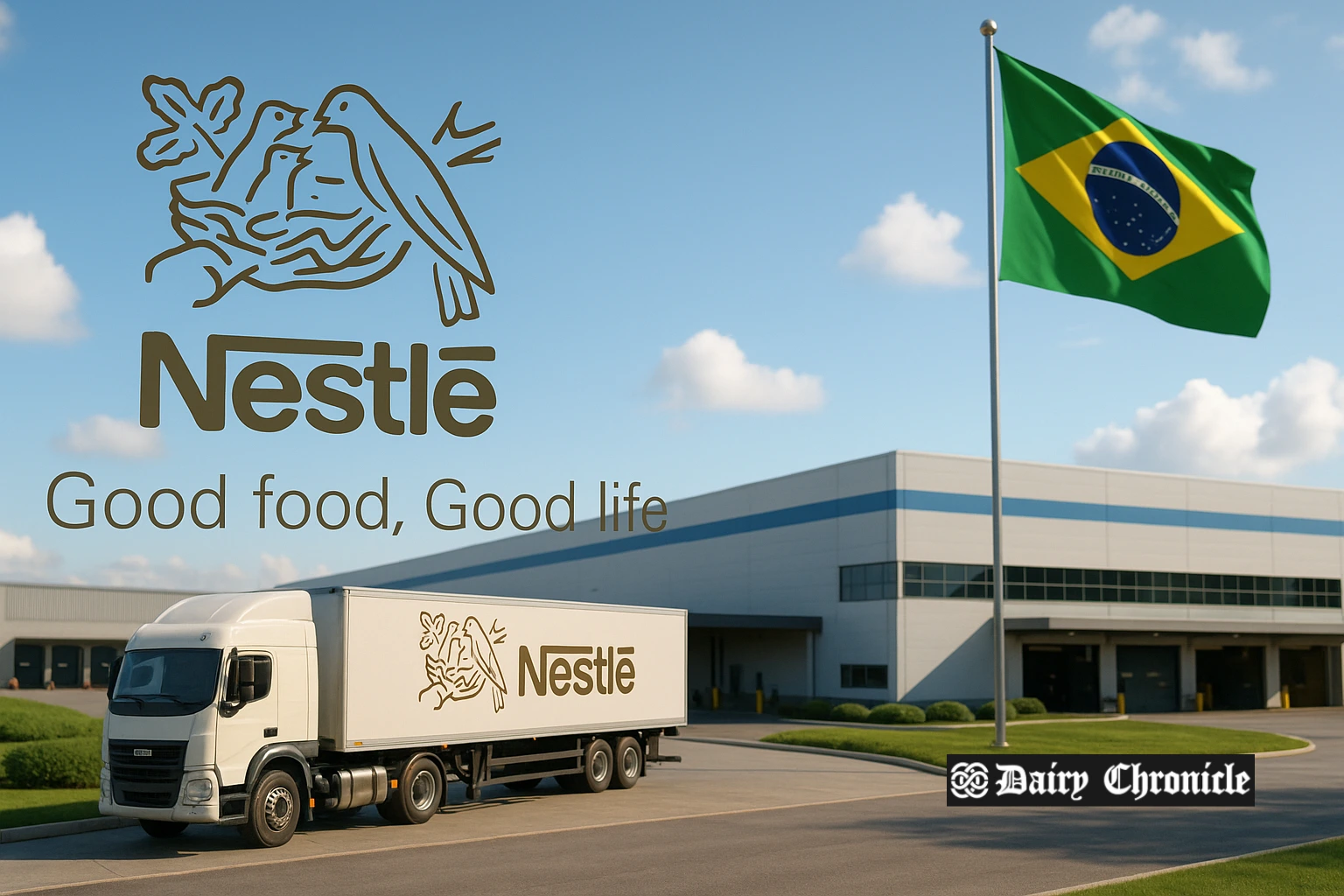
In São Paulo, Brazil, Swiss-based food and beverage multinational Nestlé has announced a strategic investment of $1.3 billion to strengthen its presence in the Brazilian market. The initiative, set to continue until 2028, emphasizes innovation, sustainability, and logistical modernization, reinforcing Brazil’s status as a core market for Nestlé in Latin America.
Swiss multinational Nestlé has announced a substantial $1.3 billion investment to boost its operations in Brazil through 2028, underscoring its long-term confidence in the region’s economic and strategic importance. The expansion plan focuses on increasing production capacity, advancing technological modernization, and intensifying research and development in sustainable, locally-tailored food and beverage solutions.
Headquartered in Vevey, Switzerland, Nestlé is the world’s largest food and beverage company, operating in over 180 countries. With a long-standing presence in Brazil, the company plans to leverage this investment to not only strengthen its logistics and supply chain but also stimulate local job creation and enhance economic dynamism.
The plan includes improvements across various operational areas in São Paulo state, Nestlé’s key hub in Brazil. These improvements will support innovation-driven product development aligned with local tastes while deepening the company’s commitment to environmental sustainability in packaging, emissions reduction, and energy-efficient manufacturing.
Brazil’s large economy, growing population, and abundant natural resources make it a strategic growth market for Nestlé. The country’s agricultural raw material availability and expansive consumer base are ideal for large-scale food production and distribution. Despite ongoing economic and regulatory challenges, Nestlé’s investment reflects strong optimism about long-term regional potential.
This move is part of Nestlé’s broader Latin American strategy, where it seeks to harness demographic growth and evolving consumer trends across emerging markets. The announcement is also likely to encourage other multinationals to consider Brazil as a viable, long-term investment destination.


