





Peru’s “Cabrita Lechera” goat farm in Tacna is now a model for high-tech, small-scale dairy innovation. It highlights how targeted investments in goat milk production are driving rural employment, product quality, and agroindustrial diversification.
Cabrita Lechera, a goat milk enterprise located in Tacna, Peru, has rapidly transformed from a five-goat initiative into a benchmark operation in Latin America’s dairy sector. With increasing focus on quality-driven agriculture, the farm’s strategic use of technology and investment has positioned it as a model for sustainable growth in the goat milk industry.
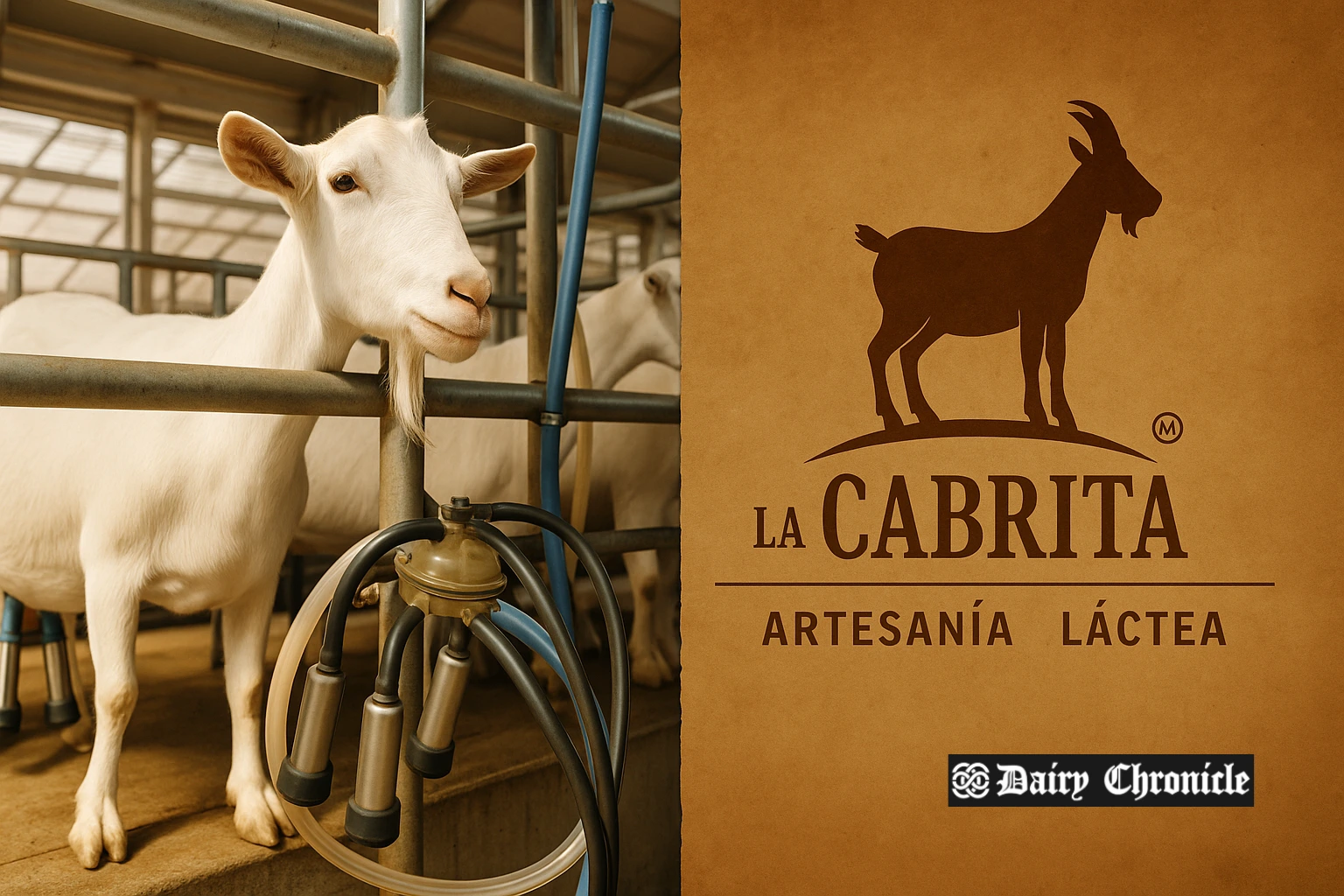
What began as a modest project is now catalyzing Peru’s broader agroindustrial ambitions. The farm has adopted advanced milking systems, rigorous genetic enhancement programs, and efficient feeding protocols—all contributing to heightened milk yield and quality. These factors are crucial in meeting the rising domestic and regional demand for goat-derived products such as artisanal cheese and probiotic-rich yogurt.
Dairy Value in Small Ruminants
Unlike traditional bovine dairy, goat milk production offers unique financial advantages. Shorter breeding cycles, lower land-use intensity, and rising health-conscious consumer preferences make goats a compelling asset class in agriculture. With Cabrita Lechera leading the way, investors are starting to explore caprine farming as a high-margin alternative to conventional dairying.
Financial experts note that farms like Cabrita Lechera also de-risk rural economies by decentralizing production and creating value chains that are less dependent on imports or large corporate players. By encouraging local knowledge sharing and job creation, the farm amplifies its impact across Tacna’s agricultural landscape.
Agroindustrial Diversification with Economic Impact
The success of this model points toward a viable pathway for agroindustrial diversification in Peru. Goat milk production, once considered a marginal activity, is now seen as a vehicle for scaling rural enterprises into competitive market players. With proper policy support and financing mechanisms, similar farms could replicate this model across Latin America, strengthening food security while meeting global dairy trends.
As markets grow increasingly segmented—especially for lactose-sensitive, organic, or specialty consumers—Peru’s goat dairy sector is poised to capitalize. From exportable niche products to domestic functional foods, the segment is gaining traction among both consumers and investors.
Cabrita Lechera stands as proof that focused, small-scale agricultural innovation can yield macroeconomic results. Its success story is not just about milk—it’s about the model.


