
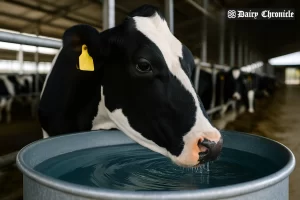





Europe’s dairy sector is facing a production crisis as record-breaking heatwaves in Italy, France, and Spain cause severe milk yield drops. In Italy’s Lombardy region, milk production has declined by 10–15%, with some farms in Molise losing up to 30%. The situation reflects a growing vulnerability of the dairy industry to climate extremes and emphasizes the need for immediate climate adaptation investments.
The European dairy industry is reeling from the effects of extreme heat, with prolonged heatwaves drastically cutting milk production across major regions such as Italy’s Lombardy and Molise, France’s Occitanie, and parts of southern Spain.
In Italy’s Lombardy region, a key European dairy production zone, milk yields have dropped by 10–15%, resulting in a loss of nearly 1.8 million litres per day. The smaller but heavily affected Molise region has reported up to 30% yield declines on some farms.
According to reports from Assolatte, Italy’s national dairy industry association, these losses are a result of heat stress, which reduces cattle appetite, disturbs fertility cycles, and compromises overall animal health. The association works with hundreds of Italian producers and cooperatives to represent the dairy industry in domestic and EU policy discussions.
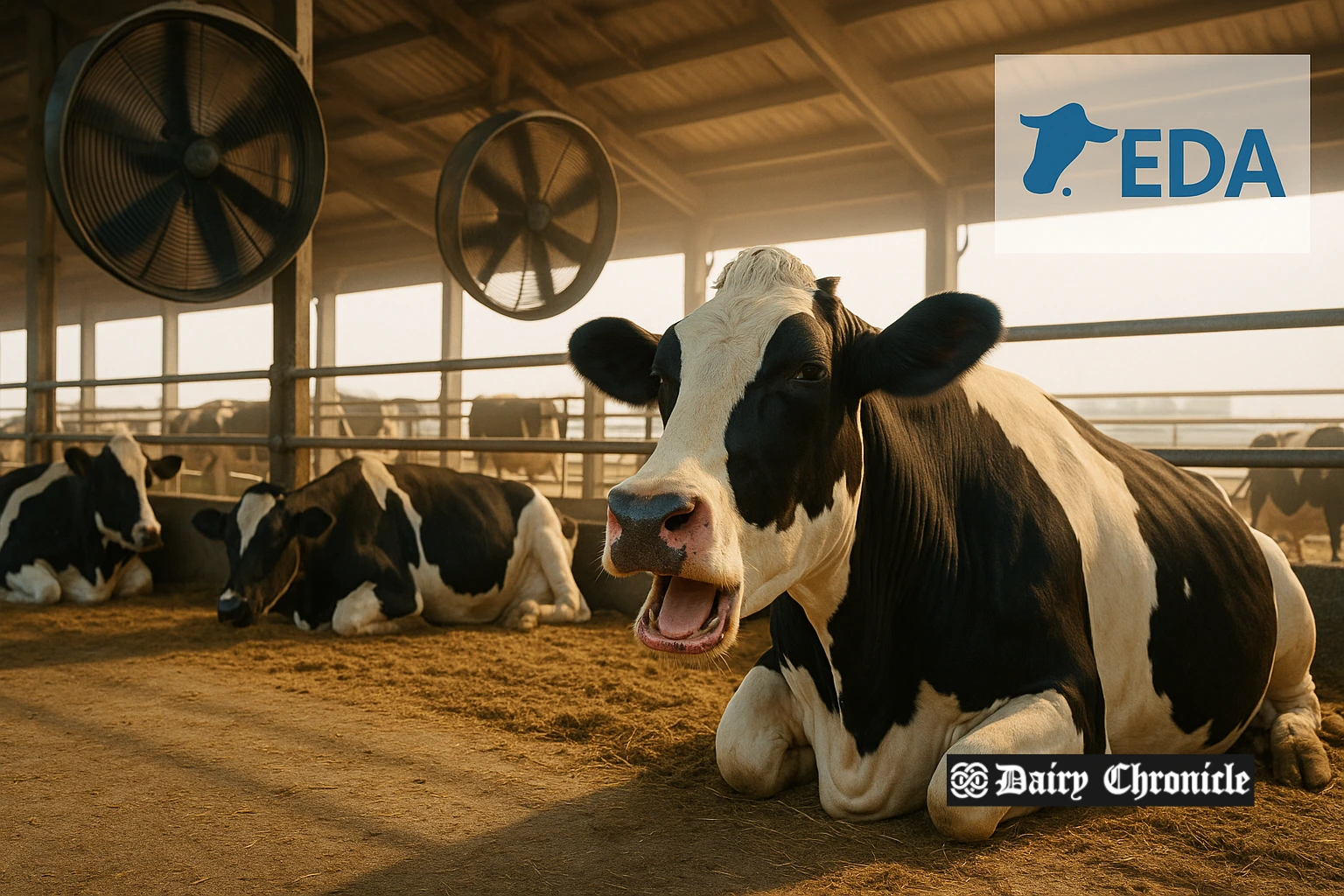
While farmers are implementing emergency measures—such as fans, misting systems, and mineral supplements—these offer limited relief against intensifying heat conditions and prolonged droughts. Forage quality and water availability have also declined, further hampering milk output and increasing costs.
The European Dairy Association (EDA), which represents national dairy organizations across the EU, warned of broader implications on the milk supply chain, including rising prices, reduced export capacity, and strained logistics due to volatile weather patterns.
This crisis has placed climate resilience at the center of policy and operational conversations. Experts are calling for urgent investment in climate-smart infrastructure, heat-tolerant cattle breeds, and improved forage and water management systems across the continent.
The repercussions may not be confined to Europe. According to NDDB (National Dairy Development Board), based in Anand, Gujarat, India, countries like India—major dairy producers—must take this as a signal to accelerate climate adaptation strategies. These include regional feed planning, temperature-controlled shelters, and long-term water conservation programs.
With demand for milk and value-added dairy products on the rise, the European heatwave is a stark reminder that climate shocks are now central risks to global food security.


