





In Nepal’s Sindhuli District, the Korea-led “Milky Way” project has transformed the dairy sector by introducing Korean Holstein cows that produce six times more milk than local breeds. Launched in December 2022 by Heifer Korea, in collaboration with South Korea’s Ministry of Agriculture, Food and Rural Affairs and the National Agricultural Cooperative Federation, the initiative aims to enhance milk production and empower rural women-led cooperatives through training, livestock support, and the “Passing on the Gift” model.
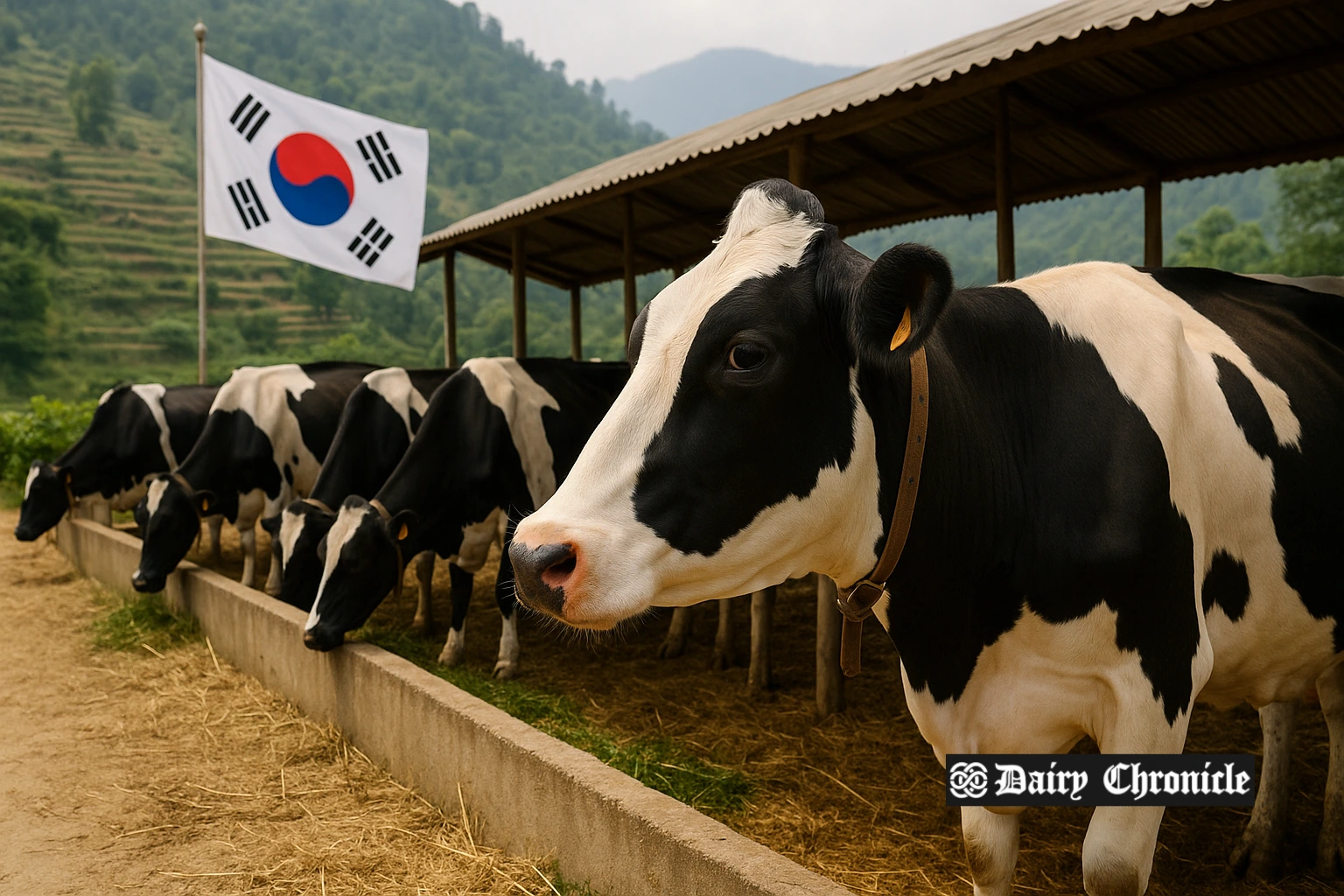
In Nepal’s Sindhuli District, the Korea-Nepal Model Dairy Village has emerged as a beacon of transformation, thanks to the “Milky Way” project—an international dairy initiative launched in December 2022. Spearheaded by Heifer Korea, the Korean arm of the global non-profit Heifer International, in partnership with South Korea’s Ministry of Agriculture, Food and Rural Affairs and the National Agricultural Cooperative Federation, the project has revitalized rural livelihoods by introducing Korean Holstein cattle to local farms.
In Kamalamai, a hillside town in the district, 51 households including farmer Nisha Karki received Holstein heifers. Her cows, Sanee and Hwanggol, produce five to six times more milk than local Nepali breeds. “I’m truly happy knowing I already own high-yield dairy cows,” she said, adding that the training in livestock care has helped her better manage feeding and animal health.
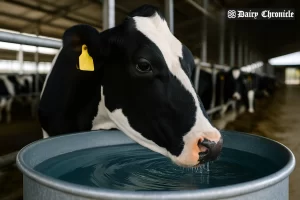
Executive Director of Heifer Korea, Lee Hae-won, praised Karki’s success, calling her farm a model in animal husbandry, especially in water and feed management.
The project’s roots lie in Korea’s own history—between 1952 and 1976, Korea received thousands of animals from Heifer International. Now, as a donor nation, Korea sent 100 Holstein heifers and eight breeding bulls to Nepal, marking its first development aid project of this kind.
Korean Holstein cows yield 7,000 to 8,500 liters of milk over a 305-day period, vastly outperforming Nepal’s indigenous cows, which average just 950 liters. The breeds are the result of decades of Korean investment in genetic research, breeding programs, and farmer training, leading to a dramatic rise in productivity.
The initiative also supports farmers with ongoing veterinary services, artificial insemination, and education. On June 14, the Korea Herald observed 39 local farmers at a field school learning to make total mixed ration feed using locally available materials.
Crucially, the “Passing on the Gift” model ensures sustainability—recipients of Korean cows donate the first female calf to other families. The first such calf, named Gamsa (“thank you” in Korean), was born in February last year.
Guna Kumari, owner of the calf’s mother and president of the Kamalamai Social Entrepreneur Women Dairy Cooperative, leads a women-run group representing 310 households. She highlighted how the project is transforming not only dairy production but also gender roles in rural Nepal. “Now, husbands are helping run the cooperative and supporting women’s participation in society,” she said.
As Korean cattle continue to reshape Nepal’s dairy industry, the Milky Way project is seen as a lasting model of agricultural collaboration, community empowerment, and cross-border goodwill.


