


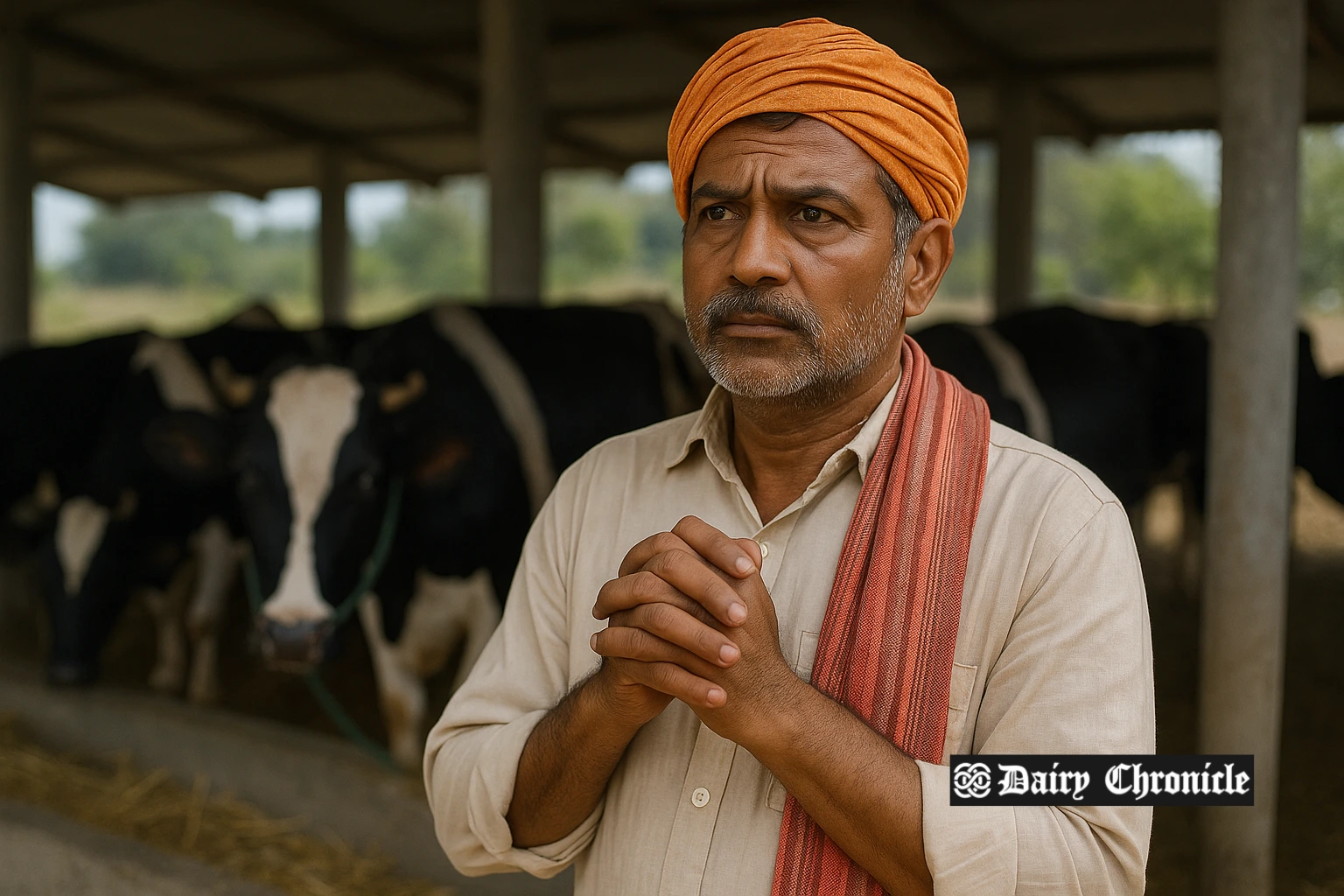
In India, experts are urging the government to take a strong stance against expected U.S. trade pressure under a possible second Trump administration. The concern focuses on demands to open Indian markets to subsidized U.S. agricultural products—especially dairy—which could severely impact Indian farmers and small agribusinesses. With India’s dairy industry supporting millions, analysts stress the need for assertive trade diplomacy to protect local livelihoods and economic stability.
Amid rising global trade tensions and the possibility of Donald Trump’s return to the U.S. presidency, Indian policymakers and agricultural experts are bracing for renewed demands related to agricultural imports. At the core of concern is the potential pressure to allow subsidized U.S. dairy and farm products into Indian markets—moves that could severely destabilize domestic dairy producers and thousands of micro, small, and medium enterprises (MSMEs) in India’s agribusiness sector.
India’s dairy industry is the largest globally by production and heavily driven by smallholder farmers across states like Uttar Pradesh, Maharashtra, and Punjab. These farmers and supporting MSMEs operate with narrow profit margins and lack the scale and subsidy protections seen in the U.S. If India were to relax its import barriers, stakeholders fear it would lead to price crashes and erode the competitiveness of domestic milk and agricultural produce.
Past trade negotiations under Trump’s administration focused heavily on “reciprocal tariffs” and aimed to boost U.S. agricultural exports. Indian experts now caution against repeating history, arguing that opening up to subsidized American products would hurt Indian self-sufficiency, damage rural livelihoods, and undermine food security.
The impact would be felt not only in primary production but also in downstream industries such as dairy processing, packaging, and distribution—sectors that generate large-scale employment and form the backbone of India’s rural economy. From yogurt and paneer manufacturers to animal feed suppliers, the consequences of unbalanced trade liberalization could be widespread.
Experts suggest India needs a strategy rooted in assertive diplomacy, balancing openness with the protection of its domestic economic fabric. Rather than yield to pressure, India should emphasize the long-term risk such trade imbalances pose to its socio-economic framework and maintain its right to regulate imports that affect national welfare.
India’s position as a global agriculture and dairy powerhouse also allows it to negotiate from a position of strength. Stakeholders recommend leveraging this stature in trade dialogues while enhancing internal capacities—such as infrastructure, cold chains, and farmer cooperatives—to stay globally competitive without compromising local stability.