


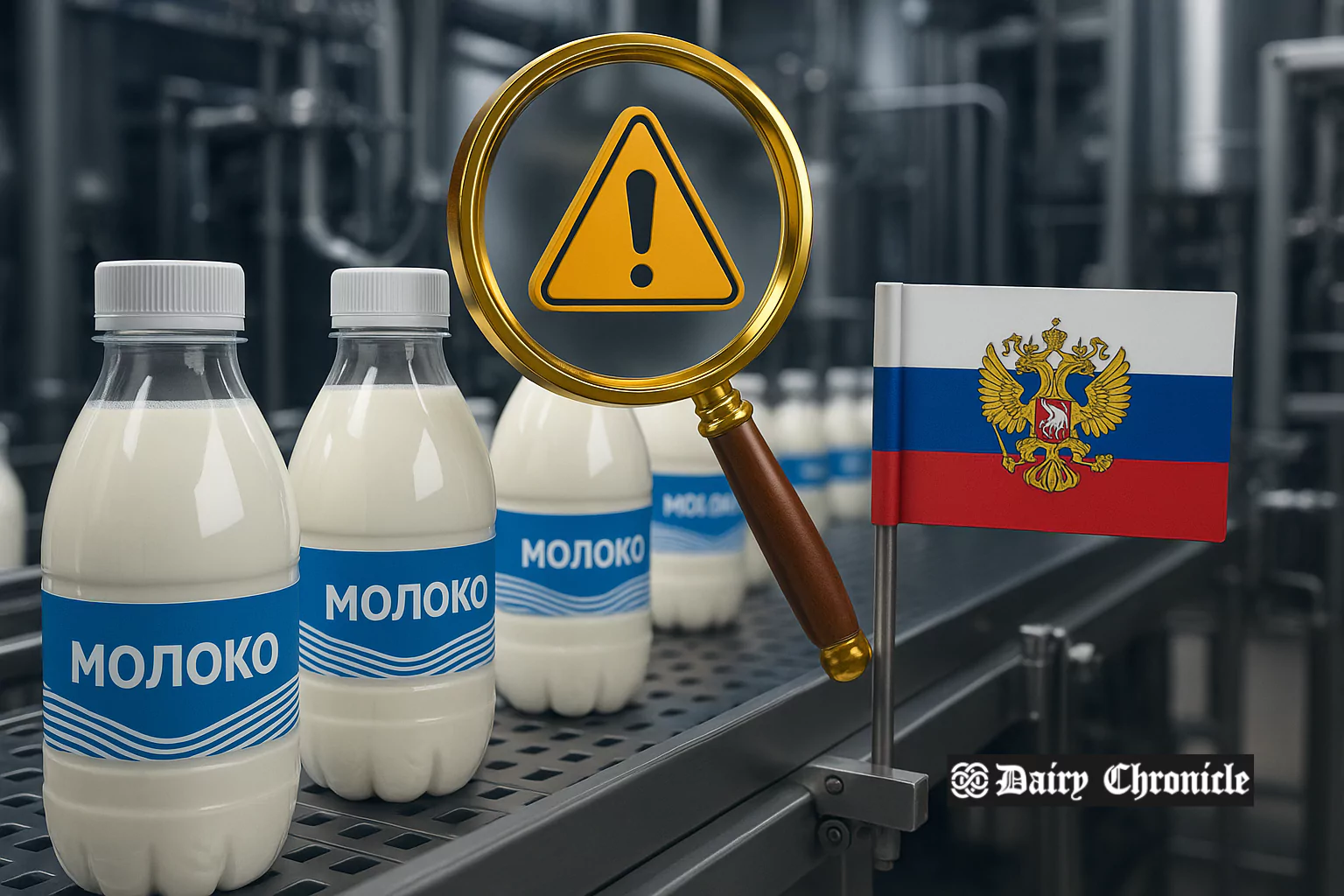
Russia is weighing stricter regulations on counterfeit dairy products amid rising concerns over the use of vegetable fats as substitutes for milk fat. Authorities are proposing turnover-based fines, labeling reforms, and removal of tax benefits for violators, aiming to protect consumers and preserve product integrity in a declining dairy market.
Amid growing consumer and industry concern, Russian authorities are preparing to introduce stricter regulations targeting the use of vegetable fats in dairy products. The proposal follows renewed scrutiny into the nation’s dairy sector, where substitution of milk fat with cheaper non-dairy alternatives is on the rise — potentially misleading consumers and compromising product standards.
The government has instructed relevant ministries, including the Ministry of Agriculture and Ministry of Industry and Trade, to submit regulatory proposals by September 1, 2025. Among the measures under consideration are turnover-based penalties of up to 10% for non-compliant manufacturers, mandatory destruction of counterfeit goods, stricter labeling requirements, and removal of tax incentives for products using dairy fat alternatives.
The current legal framework allows the use of vegetable fats provided it is declared on packaging. However, authorities argue that deceptive marketing practices and loopholes in traceability systems have made enforcement difficult. The move comes as counterfeit dairy goods — often indistinguishable without lab testing — are estimated to account for 5% of total dairy sales as of 2024, reversing a prior downward trend.
A key driver behind the substitution trend is cost efficiency. Producing a plant-based dairy analog can be up to four times cheaper than genuine milk-based production, making it an attractive option amid volatile raw milk supply. Experts caution that high-value products such as cheese, butter, sour cream, and cottage cheese are particularly vulnerable to adulteration, given their higher retail margins.
Legal analysts emphasize that while fixed penalties for dairy violations currently exist, they are often absorbed as operational costs. By contrast, turnover-based fines tied to total revenue may provide a more effective deterrent, pushing manufacturers to comply or risk substantial financial losses.
The legislative momentum arrives at a critical juncture. Dairy consumption in Russia is declining, with retail sales volumes falling 1.2% year-on-year between June 2024 and May 2025. Authorities and experts alike see consumer trust as central to reversing this trend, and tighter regulation as a strategic response to restore confidence in product authenticity.
As Russia pushes forward with these reforms, the dairy sector may undergo significant restructuring — placing transparency, labeling accuracy, and pricing integrity at the forefront of national policy.