


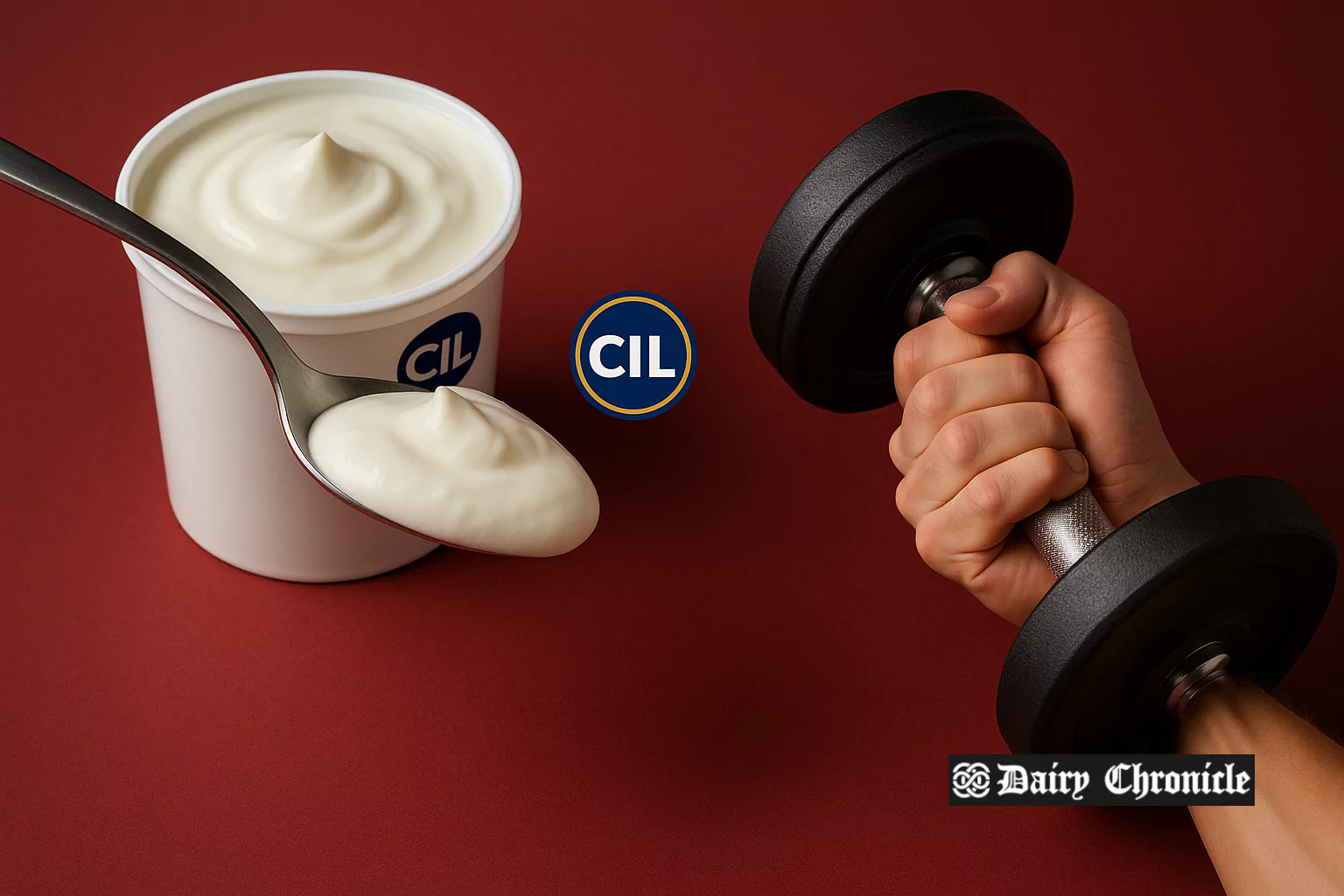
Yogurt is taking a central role in Argentina’s sports nutrition market. Backed by advancements in dairy science and shifting consumer preferences, it is now being positioned as a premium functional food supporting muscle health, post-exercise recovery, and long-term wellness.
Argentina’s dairy industry is capitalizing on evolving consumer health trends by reimagining yogurt as a strategic nutritional asset—especially for those focused on muscle development and physical recovery. What was once a simple breakfast item is now positioned as a science-backed superfood with financial and functional relevance in the sports nutrition market.
This pivot aligns with rising demand for high-protein, clean-label, functional foods, an area where dairy companies are investing aggressively to secure future revenue streams. The formulation of next-gen yogurts fortified with bioavailable protein and probiotics represents a convergence of nutrition science and product innovation—designed to meet the needs of athletes, fitness enthusiasts, and aging populations focused on muscle preservation.
Why Yogurt? The Financial Value of High-Quality Protein
Yogurt provides complete milk proteins, including both whey and casein, which contain all nine essential amino acids. These proteins are biologically complete, meaning they are efficiently absorbed and utilized by the body—key for post-exercise muscle repair and long-term lean mass maintenance.
From a financial perspective, this allows dairy producers to reposition yogurt from a commodity to a value-added health product, commanding premium shelf pricing. The market for high-protein dairy snacks continues to show double-digit growth globally, and Argentina’s manufacturers are targeting this segment to bolster export potential and domestic sales.
Functional Innovation Driving Market Growth
The latest yogurts introduced in Argentina provide up to 15 grams of protein per serving, with zero added sugars and enhanced with vitamins D and E—nutrients known to support musculoskeletal health. These product lines are designed to align with dietary guidelines recommending increased protein intake to combat age-related muscle loss, particularly in populations over 40.
Furthermore, the integration of live probiotic cultures strengthens the product’s value proposition. Beyond gut health, probiotics have been linked to reduced systemic inflammation, better nutrient absorption, and faster muscle recovery—enhancing yogurt’s appeal among performance-driven consumers.
Consumer Behavior and Market Trends in Argentina
The Argentine functional food market is seeing a pronounced shift toward performance nutrition, with yogurt positioned as a cornerstone product due to its convenience, affordability, and multifunctional benefits. Industry analysts indicate that functional dairy products are expected to outpace conventional dairy in terms of both unit sales and profit margins over the next five years.
This trend reflects broader shifts in consumer spending, where health-conscious buyers are willing to pay more for targeted nutritional benefits. For Argentina’s dairy companies, this means yogurt can no longer be viewed as a low-margin staple—it’s a high-potential growth driver in the evolving health food economy.
A Long-Term Investment in Health and Agribusiness
Argentina’s push to transform yogurt into a functional superfood is part of a larger agribusiness innovation strategy. By linking dairy science with consumer demand for wellness solutions, producers are not only tapping into new revenue channels but also reinforcing the value of domestic dairy as a strategic economic asset.
This rebranding of yogurt aligns with global trends in sustainable health investments, where food becomes both nourishment and preventative care. For dairy processors, the opportunity lies in further expanding product formats—from drinkable yogurts to protein-fortified meal replacements—while enhancing margins through scientific validation and health-focused branding.