


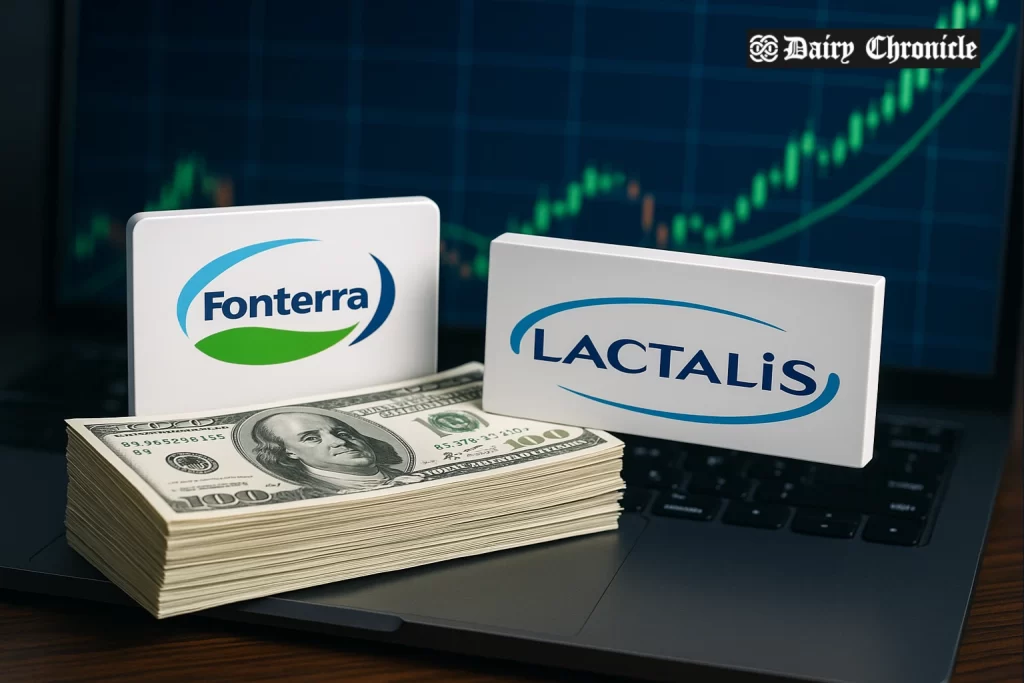
The Fonterra brand sale to Lactalis, France, for NZ$3.85 billion will provide New Zealand farmers with a windfall of short-term benefits but will, in turn, give rise to a number of questions related to the global competitiveness of the cooperative and, thus, its ability to create long-term value.
Fonterra Sells Brand to Lactalis: Sparks Debate
The Fonterra brand sale has sparked a serious debate in New Zealand. While the farmer-owners are happy with the NZ$3.85 billion deal, the cooperative’s critics wonder if it has sold off strategic value for just a while. The transaction hands over great domestic products such as Anchor, Mainland, and Kapiti to the French multinational Lactalis, a company with a powerful global dairy network.
The Promise of Short-Term Gains
The deal is a golden opportunity for the primary sector to reap a handsome profit at the time of high dairy prices, for a short while. With this operation, Fonterra will be able to re-pot maturity on an institutional level and will provide farmer-owners with the necessary cash. Moreover, the financial advisers are warning the cooperative that it may be sacrificing the brand’s perpetual value for short-term dividends, thus it can be seen as a repeat of other New Zealand cases of the country failing to create global food champions.
A Vision Deferred
Fonterra at the time of its founding in 2001, was aimed at building the company up the value chain using consumer brands apps. The mechanism was to act as a buffer on the farmers’ part during the commodity cycles by achieving higher profits in the milk price drop phase.
But pictures tell a more gloomy story. At the Fonterras birth, the company was estimated at NZ$7.5 billion as opposed to the Kerry Group from Ireland, worth NZ$5.6 billion. Twenty years later, Kerry has reeled in an investment strategy that has pushed it to a market value of NZ$26 billion against Fonterras of NZ$10 billion.
The analysts are of the view that the failure of Fonterra’s ventures in China and Brazil and their debt financing instead of equity partnerships have caused the company to lose its competitive edge in the branding of the products.
Strengthening Competitors
The Fonterra Brand Sale operation reaps benefits for Lactalis, a dairy multinational with command of the family business and where CEOs are adept in brand building strategy and acquisition. While Fonterra is faring out from the consumer side, it is still under the umbrella of supply contracts for the next ten years thus it can only act as a price-taker. Opponents of the deal argue that in due course, Lactalis will be using this condition to push for a price reduction meaning New Zealand dairy farmers returns will be compromised.
Cooperative Structure and Governance Gaps
It is Fonterra’s cooperative status that is the point of highest sarcasm. The kind of setup which was to ensure the farmers interests and provide a possibility for long-range strategic planning, in this case, has actually led to somewhat selfish behavior by the management. Also, there have been anxieties about the salaries of the executives, with 14 top staff getting more than NZ$1 million, and the CEO nearly NZ$6 million in 2024 – money which is considered as going in the opposite direction of what Fonterra is doing.
Missed Opportunities with KiwiSaver
The transaction is most notably marked by the very aspect of the missed opportunity for domestic funding. The price of NZ$3.8 billion constituted less than 1% of the total KiwiSaver fund anticipated to be NZ$500 billion in the next 25 years. Local investment not only leads to underutilization but also allows the passing of assets that are the country’s most valuable to foreign owners.
Industry Insight: Branding Versus Commodities
This transaction looks like another story out of New Zealand agri-business highlighting a recurring theme: the industry’s preference for immediate liquidation rather than long-term value creation. Brands like Lactalis are one of the factors behind the trend. All in all, they demonstrate that it is branding, not breeding, that actually holds the power to set prices. Through this decision, Fonterra is committing itself to nothing but supplying pure commodities rather than partnering in the creation of the global value-added dairy sector.
Policymakers, investors, and farmers are now faced with the challenge: New Zealand will never be a serious competitor in global branded foods if that is the case, will it rather be that it becomes an endless source for multinational brand owners?
Looking Forward
The Fonterra Brand Sale is a milestone where the system turns. Although it may result in a yes for immediate profits for the farmers, the position of the cooperative at the global dairy industry is still undefined. The reliance on commodity markets could potentially make it vulnerable to more significant fluctuations in its environment, whereas the long-term strategic loyalty has now been shifted to Lactalis with the takeover of the brand.
FAQ’s
How many countries does Fonterra operates in?
Fonterra operates in over 100 countries worldwide, exporting dairy products and ingredients globally.
Is Fonterra a publicly traded company?
Fonterra is a cooperative owned by New Zealand farmers, not a publicly traded company. Its shares are held by farmer-members.
What role does Fonterra play in New Zealand’s economy?
Fonterra is a major contributor to New Zealand’s economy, accounting for a significant portion of the country’s dairy exports and agricultural employment.
READ MORE ON