


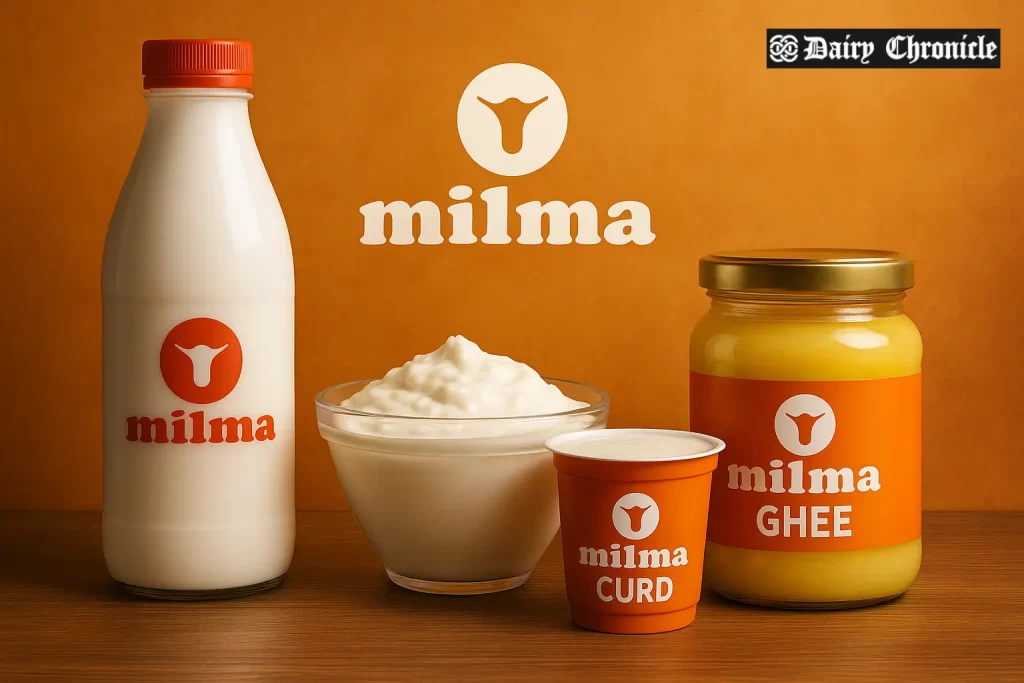
Milma of India was able to make record Onam sales in 2025. Their milk, curd, and ghee sales went through the roof during the festival period, showing that the seasonal demand had grown by a great deal.
Milma Onam Sales Soar 2025
Milma, the Indian cooperative, achieved quite remarkable sales during Onam 2025 demonstrating the vitality of festivals in the demand for dairy products. The holiday period saw the consumers wildly opting for milk, curd, and ghee which in turn pumped up the volumes and the revenue like never before.
Ghee Leads Value Growth
The Milma’s ghee sale went up to 30% as the quantity sold reached 991 tonnes. Out of it, 127 tonnes were sold in only four days just before Onam. This shows how ghee is the ultimate value driver at festivals when the demand for luxury dairy products is at its peak. The sales volumes were largely due to the strategic moves made by the company like the introduction of 50ml ghee packs and ready-to-eat payasam kits.
Milk and Curd Volumes Hit Records
Milma on the day of Uthradam, sold as much as 38 lakh liters of milk and 3.97 lakh kgs of curd. Over the five-day festive period, the sales were 1.19 crore liters of milk and 14.58 lakh kgs of curd in total which is about a 5% increase over the same period last year.
The numbers are a clear indication of the considerable influence that consumer behavior during major festivals in India has on dairy cooperatives’ performance and profitability.
Strategic Implications for Dairy Cooperatives
The unprecedented Onam sales emphasize the need for proper planning of seasonal demand and product mix to be optimized. Milma’s journey conveys that strategically building your product with innovation not only leads to volume growth but also helps in elevating profitability.
Experts from the industry opine that the festivals like Onam give rise to a consumption peak which is quite predictable and hence it is a very “hot” period for both cooperatives and private dairy players to maximize their market share. In order to reap the maximum seasonal revenue, packaging innovation, supply chain readiness, and targeted marketing must be in place.
Lessons for the Broader Indian Dairy Sector
The Milma 2025 Onam sales trend reflects beyond market insights:
- Festivals drive premium product demand, with ghee usually being the leader of value growth.
- Small pack sizes and ready-to-use products may reach new consumer segments.
- Operational readiness is vital to successfully handle production and distribution surges.
As the competition in the dairy market in India continues to increase, cooperatives such as Milma which are able to blend strong branding, product innovation, and efficient distribution have a better chance of making more profits during periods of high demand.
Looking Forward
The dairy companies in India can anticipate festival-related consumption to keep on rising with incomes and thus strong demand during major festivals like Onam. The record performance of Milma in 2025 is a benchmark for other cooperatives and private players who want to seize seasonal market opportunities.
By concentrating on product innovation, supply chain efficiency, and consumer-centric marketing, Indian dairy companies can utilize festival seasons to achieve their long-term growth and increase customer loyalty.
FAQ’s
Why do dairy companies focus on Onam sales?
Onam is the main festival of the Indian state of Kerala and during that period the families in Kerala buy a large quantity of dairy products. As a result, this festival turns out to be a vital seasonal revenue driver for dairy companies in the region.
Which dairy products see the highest demand during Onam?
The major selling products are milk, curd, and ghee. Usually, these products are supported by the introduction of festival-specific innovations like ready-to-eat payasam kits.
Do Onam sales have long-term effects on the dairy market?
Of course, a brand supported by a successful Onam campaign can gain more visibility among consumers, increase loyalty, and even have an impact on the whole year sales strategy.
READ MORE ON