


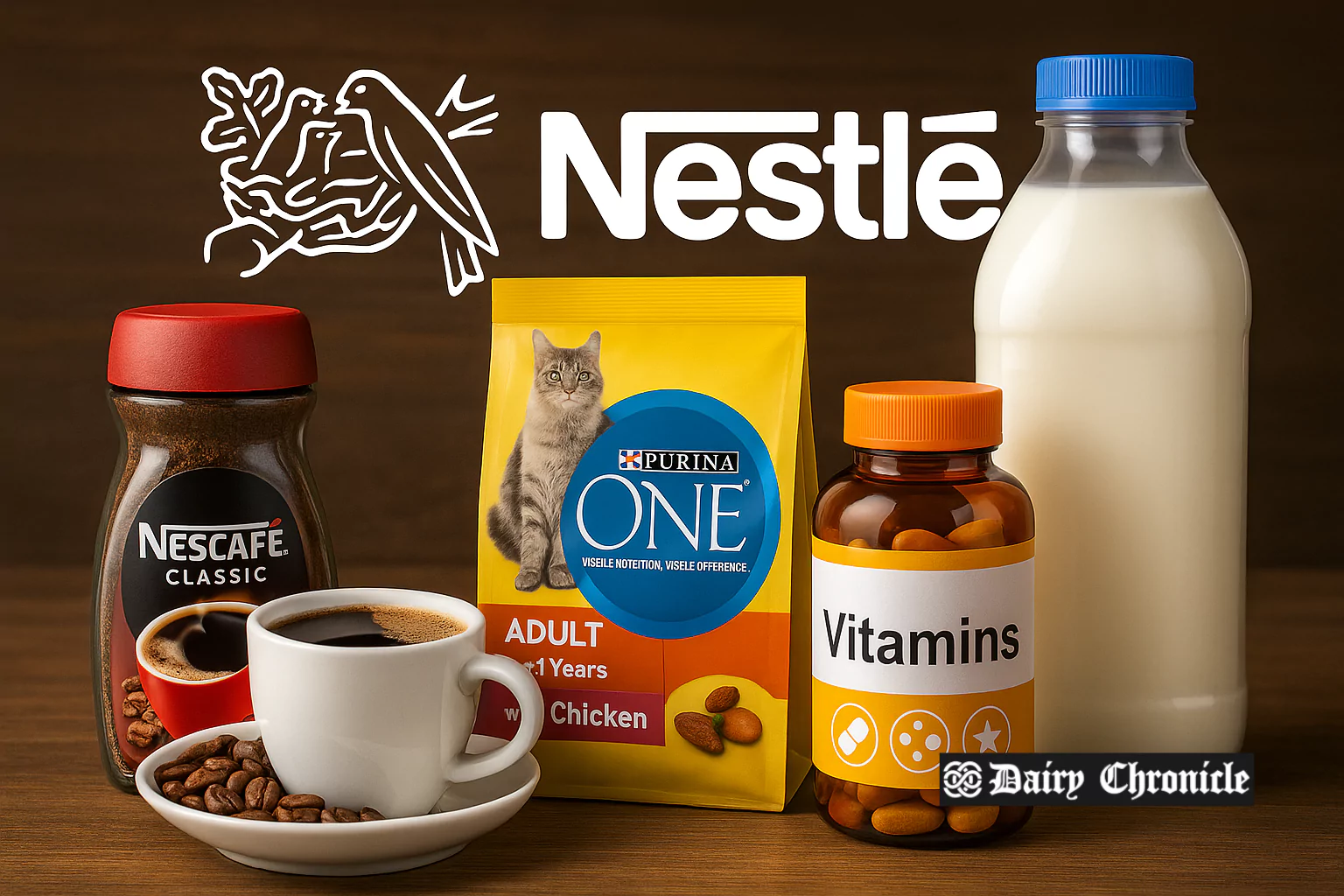
Switzerland’s Nestlé is initiating a strategic reshuffle after reporting a 10% profit decline, focusing on core sectors such as coffee, pet food, and food nutrition while evaluating divestment of its vitamin brands.
Swiss multinational Nestlé is undergoing a major strategic realignment after reporting a 10% decline in net profit for the first half of 2025. Under new leadership, the company is reassessing the performance of its vitamin and supplement portfolio and considering divestment of several non-core brands. This move underscores a focused shift toward its historically stronger and high-margin categories—coffee, pet food, and food nutrition.
The restructuring is led by CEO Laurent Freixe, whose early tenure marks a sharp pivot from prior expansion strategies. Nestlé’s renewed focus on its primary sectors is aligned with long-term shareholder value creation and reflects an industry-wide recalibration in response to volatile consumer demand and input cost pressures.
Industry analysts note that while Nestlé’s nutritional supplements division showed moderate growth, it lagged behind the performance of categories like pet care and coffee, which have shown resilient double-digit margins across global markets. The potential sale of underperforming vitamin brands is therefore being viewed as a financially prudent move to consolidate Nestlé’s brand architecture around core profitability drivers.
A company-wide €2.7 billion cost-efficiency initiative is currently being rolled out to reduce structural redundancies, improve working capital deployment, and streamline operational workflows. Nestlé’s management is also focused on reducing brand overlap and maximizing brand equity in premium product categories.
Despite the intention to offload a significant portion of its vitamin business, the company may retain certain niche health brands that still align with evolving consumer health trends and premium product positioning. These select brands are expected to be integrated into the company’s broader wellness framework, enabling Nestlé to retain a stake in targeted high-value health segments while shedding lower-performing assets.
Nestlé’s stock performance has reflected investor concerns, with shares down 4.6% after the earnings announcement and showing a cumulative 21% decline over the last 12 months. However, market watchers suggest the current restructuring could help restore investor confidence through margin recovery and portfolio clarity.
This strategic reorientation is emblematic of the broader transformation sweeping through the food and beverage sector—one where profitability, operational efficiency, and brand strength take precedence over portfolio breadth. Nestlé’s leadership appears committed to navigating the turbulence with a disciplined focus on sustainable value creation and capital efficiency.