


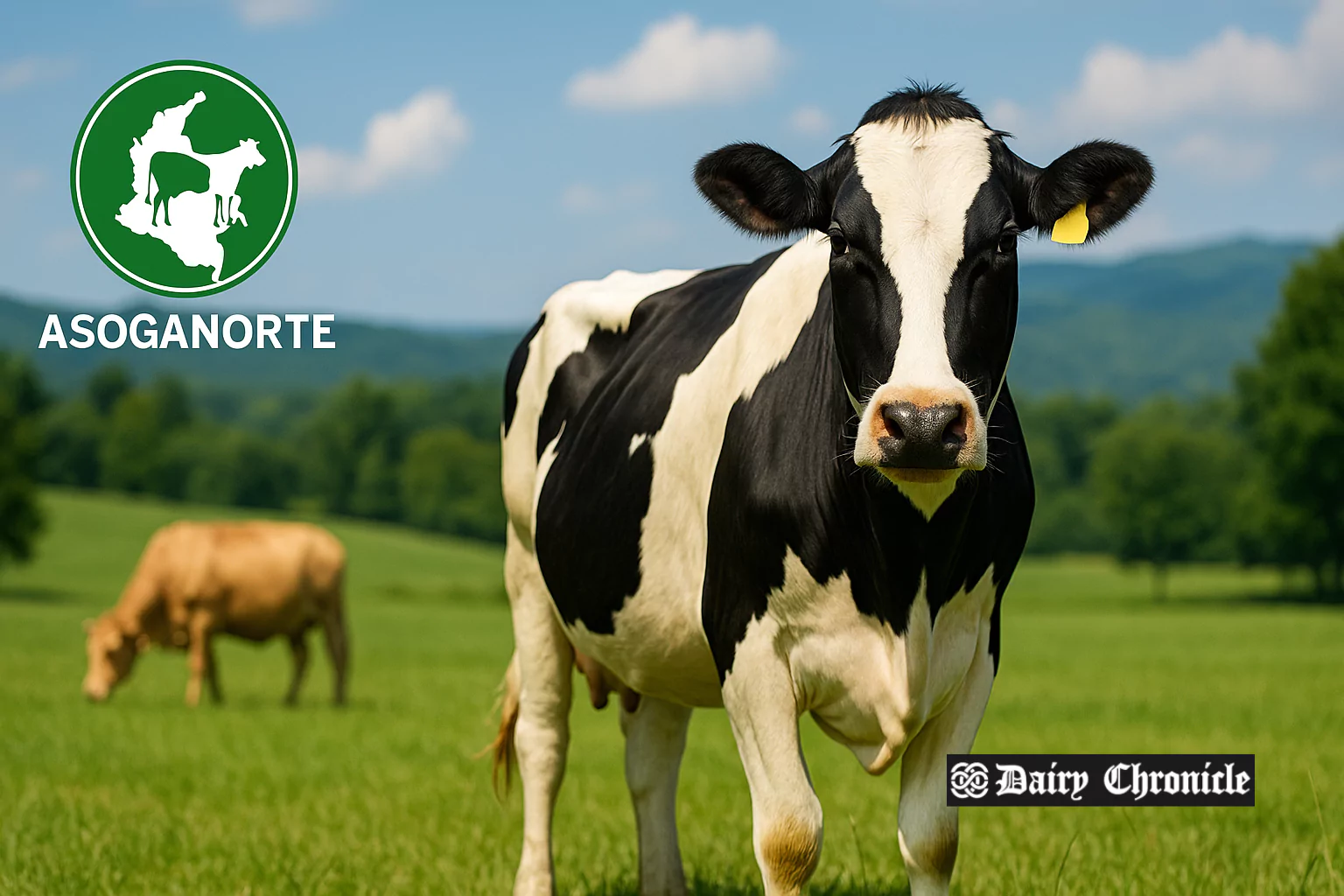
Colombia’s cattle industry is undergoing a strategic transformation as Asoganorte introduces high-genetic-value embryos to improve dairy and meat productivity across the Atlantic region. This approach aims to enhance output, sustainability, and profitability through genetics-led herd development.
In Colombia, the dairy and meat industries in the Atlantic region are poised for significant transformation, fueled by a strategic push from Asoganorte—the Cattle Breeders Association of Northern Atlántico. The organization is spearheading an ambitious initiative to integrate high-genetic-value embryos into local livestock systems, aiming to revolutionize cattle farming in the Colombian Caribbean.
This genetic improvement strategy is positioned as a cornerstone for long-term sectoral growth. By focusing on elite traits—such as enhanced milk production, disease resistance, superior feed efficiency, and better adaptability to tropical climates—this move aligns with global best practices in herd optimization and livestock economics.
Financial and Agricultural Impacts
From a financial standpoint, this investment in genetic enhancement serves as a catalyst for both topline growth and cost efficiency. According to agricultural analysts, cattle with superior genetics can yield up to 20% more milk while consuming less feed, translating directly into increased margins for producers.
The use of high-genetic-value embryos also brings compounding returns in terms of herd quality. With better reproductive performance and disease resistance, farmers experience lower veterinary costs and reduced herd turnover, contributing to financial sustainability. The strategy also aligns with macroeconomic goals—bolstering national food security and supporting rural livelihoods in the Caribbean zone.
Strengthening Colombia’s Dairy and Meat Value Chain
The dairy sector stands to gain significantly from this innovation. As higher-yield cows enter the production cycle, Colombia’s supply of raw milk is expected to grow, reducing dependency on imports and stabilizing domestic pricing. In meat production, enhancements in weaning weight, carcass composition, and fattening efficiency will strengthen competitiveness across the entire value chain.
This initiative represents more than just operational optimization—it is a signal of strategic vision. By promoting access to advanced reproductive technologies like embryo transfer, Asoganorte empowers regional producers with scalable tools to modernize their operations in line with global standards.
Expert Insight: Positioning for Long-Term Competitiveness
Industry experts note that the integration of high genetics is not merely a technical upgrade; it’s a long-term positioning strategy. “Markets are demanding higher-quality protein and more traceable, sustainable milk. Genetic excellence forms the foundation for meeting these demands,” a senior livestock economist stated.
The initiative also acts as a hedge against volatility in global feed prices and climate variability—two critical risk factors in livestock economics. Genetic traits that improve feed-to-yield conversion and climate resilience ensure that producers remain competitive even amid environmental stress.
A Vision for Sustainable Growth
By facilitating this leap forward, Asoganorte is not only supporting producers in the Atlantic region but is setting a precedent for agribusiness innovation across Colombia. The emphasis on genetic value as a pathway to sustainability reflects a shift from volume-centric farming to value-driven, efficient, and climate-smart agriculture.
This focus on productivity, traceability, and genetic innovation is reshaping the landscape of cattle farming in the Colombian Caribbean—creating a ripple effect that strengthens food security, boosts regional economies, and fortifies Colombia’s position in the global dairy and meat sectors.
6 Comments
otkujt
mtp3af
c2dhm5
b4ke6a
3undij
yt00rj