


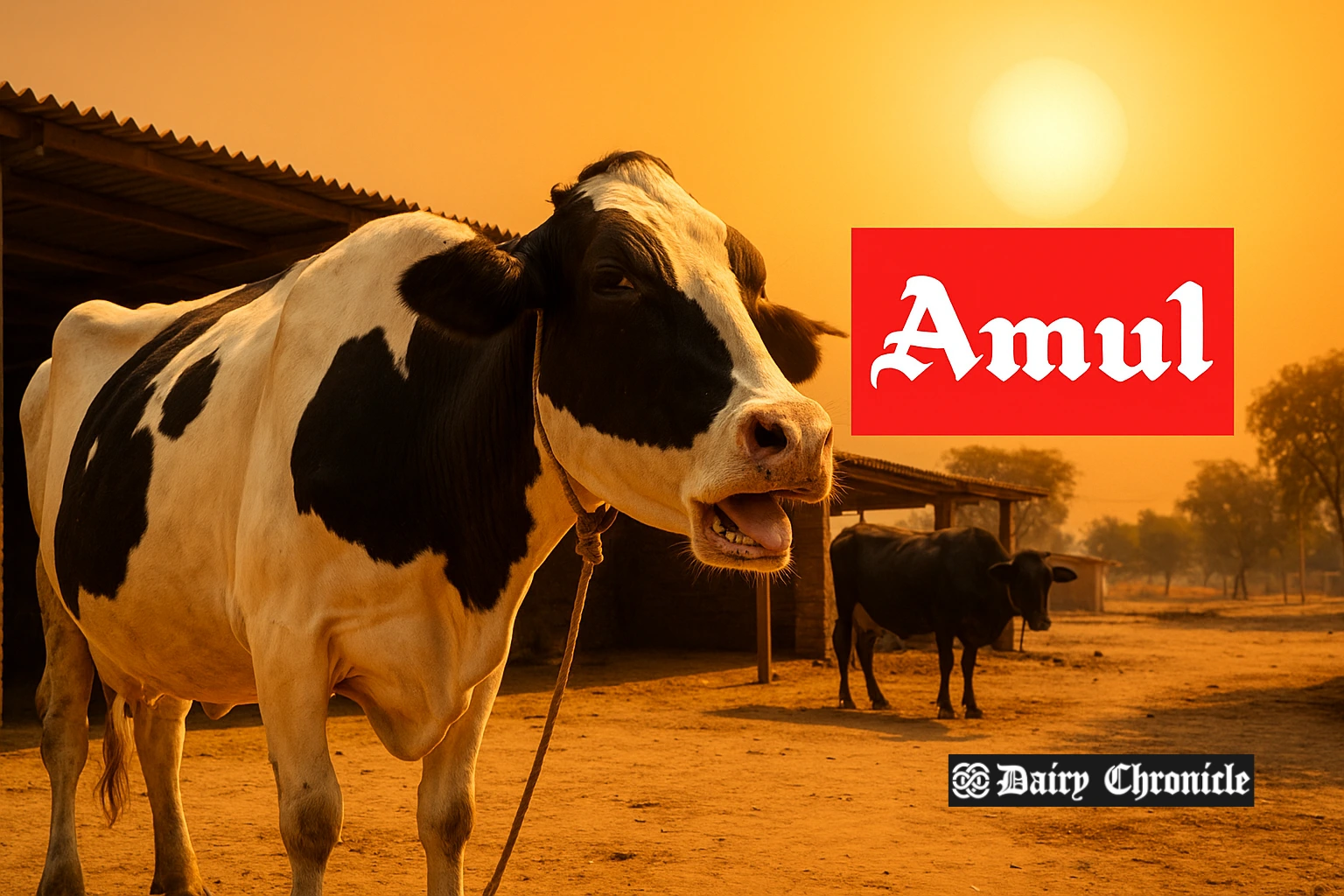
Rising global temperatures are threatening milk production worldwide, with India, especially states like Uttar Pradesh, facing severe impacts. Climate stress is reducing milk yields and fertility in dairy animals, particularly in areas lacking adaptive infrastructure. Experts emphasize the urgent need for heat-resilient systems, with sustainable solutions becoming essential for the future of the dairy industry.
With global temperatures climbing, the dairy industry is facing a critical threat. Dairy operations worldwide—particularly in heat-prone countries like India—are witnessing sharp declines in milk yield and fertility rates due to rising thermal stress in cattle. A new wave of climate awareness is sweeping through the dairy sector as researchers and producers raise alarms about the future of milk supply.
Indian dairy businesses, such as Amul, based in Gujarat, and global dairy cooperatives like FrieslandCampina, are confronting severe challenges. Without widespread adoption of adaptive strategies, experts warn that milk production in tropical and sub-tropical regions could become increasingly unstable.
Heat stress in livestock disrupts metabolic functions, suppresses appetite, and impacts reproduction cycles. In regions like Maharashtra, where traditional dairy setups lack modern cooling systems, the damage is more acute. Many rural farmers still rely on outdated shelters and water systems that leave cattle vulnerable to the effects of extreme heat.
Dr. Ritu Sharma, a climate and livestock researcher, noted, “We are observing a 10–20% decline in daily milk yields during peak summer periods, particularly where no heat-mitigation systems are in place. This not only affects farmer income but also stresses supply chains and retail consistency.”
Seasonal fluctuations are complicating demand forecasting and inventory planning for major cooperatives and processors. The absence of real-time adaptive infrastructure has left the industry struggling to cope with erratic productivity cycles.
Experts recommend a shift toward climate-smart dairy practices, including:
- Introduction of heat-tolerant cattle breeds
- Construction of shaded, ventilated housing
- Adjusted feeding and hydration strategies
- Integration of water conservation and cooling technologies
According to sustainability officers at Nestlé India, efforts are underway to pilot heat resilience programs among smallholder suppliers. Financial institutions like NABARD (National Bank for Agriculture and Rural Development) are also exploring funding mechanisms to support heat-mitigation technologies for rural dairies.
If unchecked, heat-related disruptions could significantly impact food security, raise consumer prices, and exacerbate rural poverty. Long-term stability, industry leaders argue, depends on urgent, coordinated investments in climate resilience—both at the farm and policy level.
6 Comments
49nmwp
oglq3p
a0h6g1
svyaea
raxek7
raxek7