


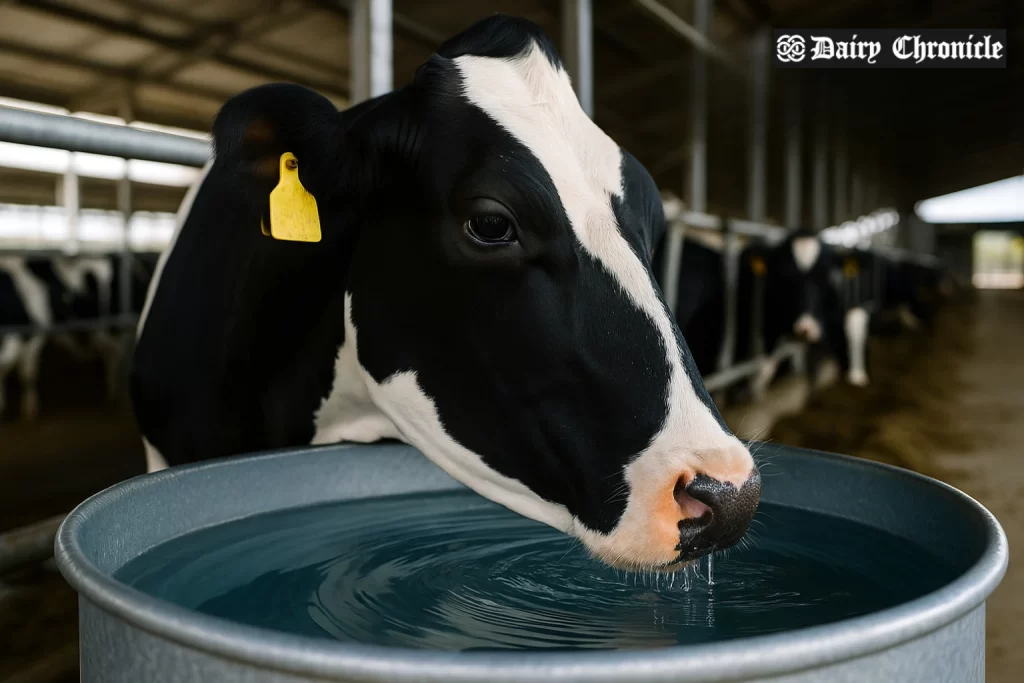
Water is the least considered item in the list of necessities of a dairy farm but it is the lifeblood of the cows. Proper management through water increases milk yield, disease prevention and the welfare of the herd.
Water is a vital nutrient that is often overlooked in dairy farming. Farmers put a lot of emphasis on feed, supplements, and the milking process but water is an equally important factor when it comes to the health and productivity of cows. Water quality, availability, and quantity play a direct role in milk yield, the level of stress, and the general welfare of the herd.
Water: The Unsung Hero of Dairy Health
Water is a must-have for every single cell in the body of a cow. Even the smallest changes in water quality such as the mineral content, pH, or the presence of contaminants can lead to changes in digestion, metabolism, and the production of milk. For cows that have been through some sort of physiological stress, water intake has to be increased.
Adding essential nutrients such as glucose, dextrose, or omega fatty acids to water has been proven to provide the necessary energy to cows during these sad times. Proper hydration is directly related to productivity and at the same time, it reduces the risk of health problems.
Facility Design and Water Access
The way water is provided and the place where it is provided can have a significant impact on how much water is consumed. The installation of water bowls for individual animals next to group troughs is a good option that can guarantee cows drink naturally and they do not have to hydrate under coercion.
Proper and well-thought-out barn design that makes the availability of water easy and swift can make cows less stressed, can improve feed efficiency, and thus milk production can be increased. The hydration of these herds which is in good condition ensures that they show less signs of the elimination of the cause of fatigue, illness, and good welfare.
The Importance of Water Quality
Water is not always good. Unbalanced mineral levels, contaminants, bacteria, and viruses can cause health problems for cows. Mechanical filtration systems are always a go-to choice for water quality that is reliable and stable over the long term, but one should be very careful while using chemical filtration not to get into an unfortunate mineral interaction.
Good water helps the immune system, digestion, and also the absorption of nutrients. Good water also puts less strain on the cow, especially during times of peak milk production or environmental hardships, making it a silent, yet efficient, farmer of the farm.
Also Read: Heat vs. Milk: A New Weapon Emerges in Dairy’s Fight
Practical Strategies for Dairy Farms
Water management is very critical in any water system. Farmers should do the following for water to support cow health in the best way possible:
- Strategic Placement – The water source should be in the vicinity of the feeding area, as well as the resting zone to help animals drink without disturbing their routine.
- Moving Water Features – Sucking devices or flowing water installations can make water consumption voluntary and thus be increased.
- Nutrient Supplementation – Energy demand or stress load can be a basis for loading essential nutrients in water to achieve positive outcomes.
- Regular Testing – This can be done by looking into the chemical and microbial contents of water to ascertain that water quality is maintained at all times.
- Facility Design – The placement of water in the barn can be done in a manner that allows the herd to see where the water is and the comfort and flow of the barn can depend on where the water is.
The adoption of these measures enables as much as water management to have the smallest changes as cows become healthy, productive, and well hydrated. Even the smallest upgrades in water management can have huge impacts by way of increasing milk production and welfare.
Future Opportunities in Water Management
The implementation of water conservation schemes, such as harvesting of rainwater and energy-efficient filtering, is one of the best ways of fighting water scarcity challenges in dairy farming. A proactive water management policy guarantees the availability of water to cows thus greatly contributing to their health and productivity.
Considering water just as a resource instead of a nutritional input opens up new avenues for the dairy farmers. This kind of farming helps the farmers to maximize milk yield, decrease health issues, and upgrade welfare at the same time ensuring long-term operational efficiency.
The inability of water to be treated as one of the key nutrients in dairy farming has been an ongoing thing. Proper water management enables cows to be in their best of health, be happy and be productive. Farms that explicitly include water management in their day-to-day activities are the ones that are poised for ethical and financial success thus water becomes a major milestone in modern dairy operations.
FAQ’s
How much water does a dairy cow need daily?
A dairy cow normally consumes 30 to 50 gallons of water a day. The exact water intake varies with milk production, diet, and environmental conditions.
What role does nutrition play in dairy cow health?
Good balanced nutrition is the mainstay of a healthy body, reproduction, milk yield, and immunity against infectious diseases in dairy cows.
How can dairy farms improve cow welfare?
The good life would become a reality by comfortable housing, proper feeding, clean water availability, health monitoring, and stress reduction.
READ MORE ON