


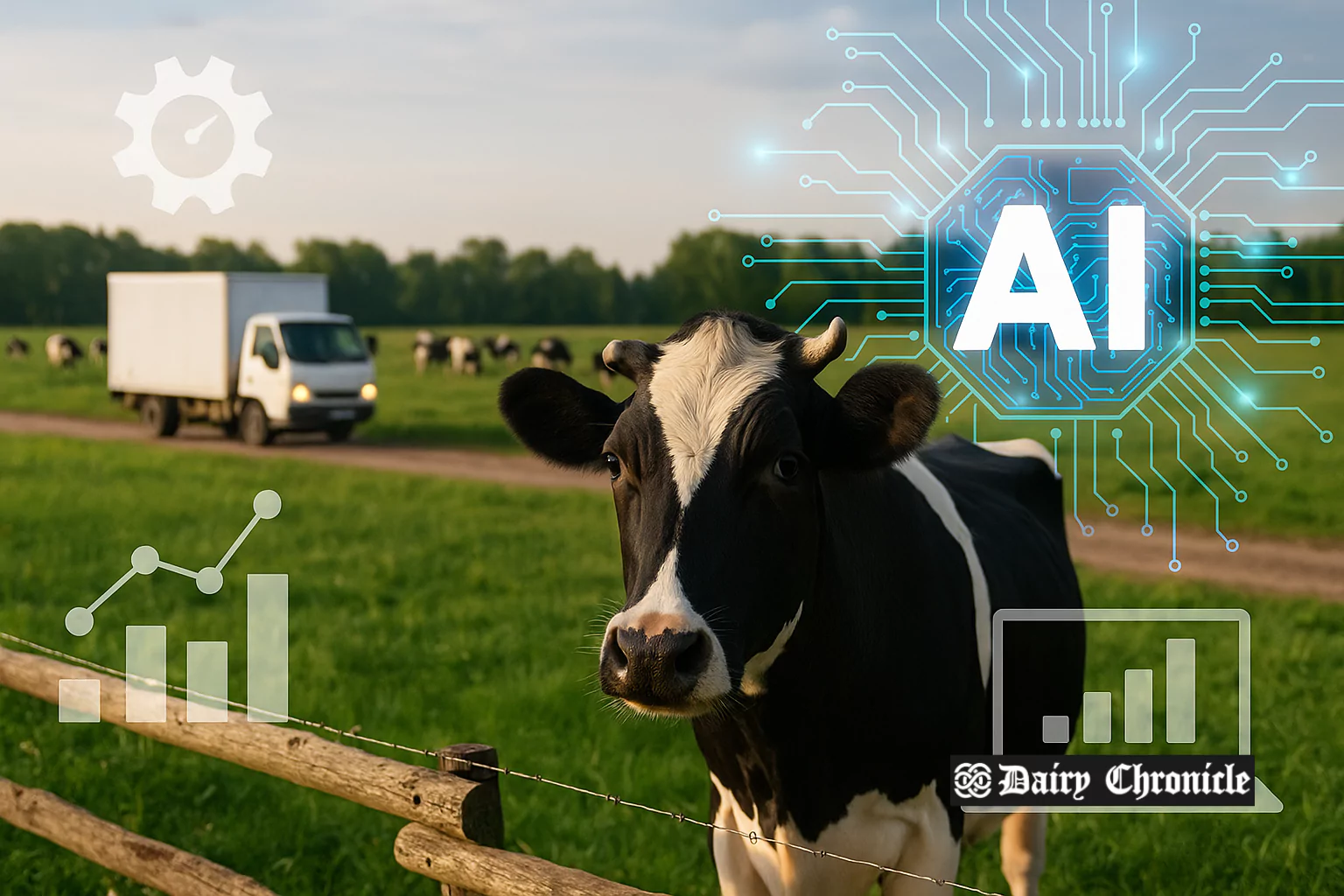
Artificial Intelligence (AI) is driving transformative growth in Africa’s dairy sector by streamlining logistics, enhancing traceability, and optimizing livestock health monitoring. This digital shift is boosting productivity, lowering costs, and creating resilient value chains across the continent.
Artificial Intelligence (AI) is redefining operational efficiency in the dairy industry across Africa, particularly in Sub-Saharan regions, where logistical constraints and climate variability have long challenged productivity. AI-driven solutions are now streamlining supply chain operations, improving livestock health monitoring, and ensuring product traceability—key elements that are driving cost reductions and growth in Africa’s dairy value chain.
AI’s impact on supply chain logistics is reshaping how milk and dairy products move from rural production sites to urban markets. Real-time data analytics and predictive modeling allow producers and distributors to optimize delivery schedules, reduce spoilage, and manage inventory more effectively. These improvements translate into higher margins for producers and a more consistent supply for retailers.
In tandem, AI enhances traceability protocols by enabling end-to-end product tracking. Every unit of dairy produced can now be monitored through a digital ledger, allowing stakeholders to quickly trace back any quality concerns to specific stages of production or transit. This transparency builds consumer confidence while also satisfying growing regulatory demands.
Another area of transformation is livestock health monitoring. AI-enabled sensors and data platforms are deployed across farms to continuously assess animal well-being. These tools alert farmers to early signs of illness or nutritional deficiencies, allowing for immediate intervention. By reducing health-related losses, farmers are not only improving productivity per cow but also safeguarding their long-term revenue streams.
Experts note that AI integration will further bolster Africa’s position in the global dairy market by supporting scalable growth. As dairy consumption increases across urban African markets, the ability to maintain quality, reduce operational friction, and monitor livestock health at scale becomes central to competitiveness.
Africa’s investment in AI-driven dairy practices is not only fostering technological self-reliance but also aligning the sector with sustainable development goals. These innovations support local economic development by reducing input costs, minimizing waste, and enhancing product reliability.
As AI technologies become more accessible across African agribusiness, the dairy industry stands at the frontier of a digitally enabled transformation—one where efficiency, sustainability, and profitability converge.