


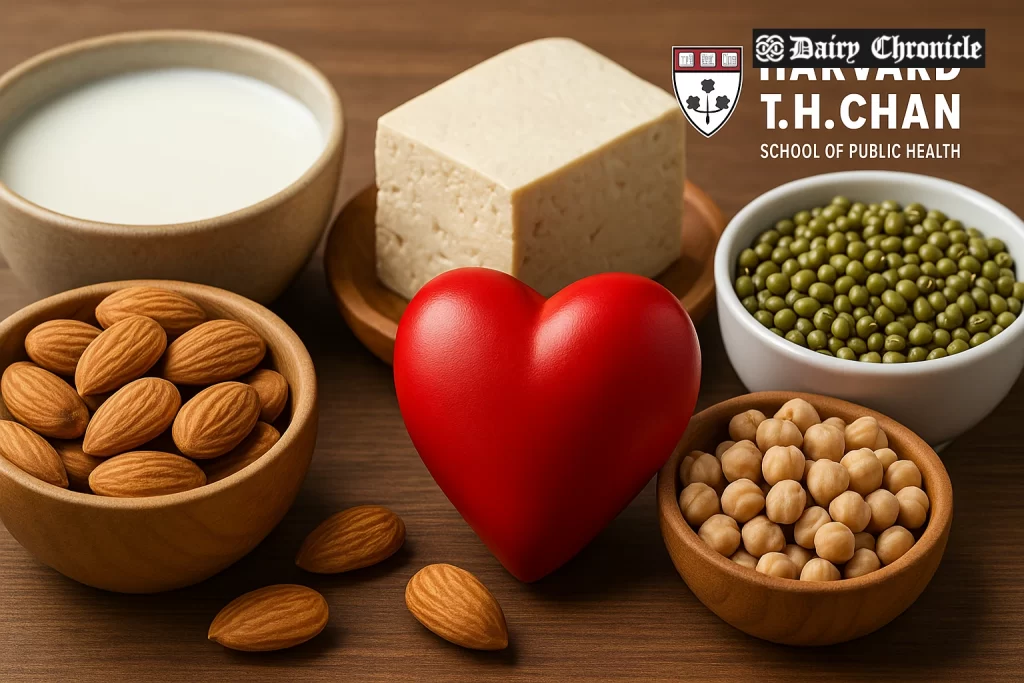
Some studies show that dairy—whether low-fat or whole—is neutral for heart health, having little impact on cardiovascular risk.
Over the years, low-fat milk has been heavily advertised as the best choice for heart health compared to whole milk. Nevertheless, the findings of recent studies have strongly spoken against the benefits of milk fat, suggesting that milk is largely “neutral” in terms of cardiovascular risk regardless of whether it is low-fat or whole milk. The latter implies that the consumption of milk will not contribute considerably to the development of heart disease or stroke.
Walter Willett, professor of epidemiology and nutrition at Harvard T.H. Chan School of Public Health, points out one significant point: in most cases, the research looks at dairy foods in relation to refined grains, processed meats, and sugary beverages. Thus, neutrality simply shows that milk is as risky (or as safe) as the average diet of the population studied.
This realization opens up a topic of discussion about the effectiveness of protein from milk for heart health, especially the protein from plants that have been the most consistent source of cardiovascular benefits—like nuts, soy, and legumes.
Plant-Based Proteins: Heart Health Champions
One of the strongest arguments for protein from heart-healthy foods is the fact that plant-based sources have unique advantages:
- Nuts: Almonds, walnuts, and pistachios are packed with unsaturated fats and antioxidants. A regular intake may lower LDL cholesterol and vascular function will be improved.
- Soy: Items like lightly sweetened soy milk, tofu, and edamame are rich in protein and provide isoflavones that stimulate the healthy cholesterol and blood vessel function.
- Legumes: Beans, lentils, and chickpeas are good sources of fiber and plant protein, which at the same time regulate blood sugar and cholesterol levels.
The research is in agreement about this point, which is the fact that one of the ways to decrease the risk of cardiovascular diseases is to replace some of the dairy with these plant-based proteins. This gives them the status of a strategic choice for all people who keep a close eye on heart-conscious eating.
Also Read: How Country Delight Plans to Boost India’s Protein Intake
Dairy’s Role in Protein for Heart Health
If you are a fan of dairy products, then it is good to know that one serving a day, no matter the fat content, barely affects the risk of the heart. The secret is to practice moderation and also be aware of the product composition. There are times when low-fat dairy replaces the fat with either sugar or refined starch, and thus the potential cardiovascular benefits can be cancelled out.
Dairy should be viewed as one of the richest sources of calcium, vitamin D, and high-quality protein. However, it is considered less beneficial to cardiovascular health when people only rely on dairy to get their protein instead of consuming a variety of plant-based sources.
Practical Advice for Heart-Healthy Diets
Experts recommend the following strategies to optimize protein for heart health:
- Dairy vs plant proteins: The most recommended diet will consist of moderate consumption of dairy products complemented with nuts, legumes, and the use of minimally sweetened soy products.
- Stay away from products that mask sugar: Take low-fat dairy products where no sugar or refined carbohydrates replace fat calories.
- Have a variety of protein diets: Better cardiovascular outcomes are strongly supported by a mix of dairy and plant-based proteins.
An eating regimen that reflects the latest dietary trends puts the spotlight on the significance of the overall diet quality in defining heart-healthy diets rather than singling out “good” or “bad” foods.
Financial and Market Insights
The growing awareness of plant-based protein benefits has implications for the food industry. Companies producing soy products, nut-based alternatives, and legumes are seeing increased consumer interest. Investors may find opportunities in these markets, as demand for heart-conscious, protein-rich foods continues to expand.
Protein from the heart is not limited to dairy products only. Even though milk is a neutral player in terms of cardiovascular diseases, plant-based proteins such as nuts, soy, and legumes are a potent source of additional benefits. The diet that combines dairy with a wide selection of plant proteins is a win-win practical solution backed by science and congruent with today’s nutritional recommendations.
FAQ’s
Does low-fat milk help lower cholesterol?
Low-fat milk can lower the consumption of saturated fat, however, the direct effect of cholesterol is very limited. More important is the overall diet.
Does low-fat milk have fewer nutrients than whole milk?
Fat-soluble vitamins (A, D) in low-fat milk are decreased to some extent, but it is still a good source of protein, calcium, and other nutrients.
Does whole-fat milk help with weight management?
The findings that dairy fat from whole milk may contribute to satiety and weight management are supported by some research, but the conclusions differ depending on diet and lifestyle.
READ MORE ON