



A new study by Italy’s European Center for the Sustainable Impact of Nanotechnology (ECSIN) in Veneto has revealed significant microplastic contamination in milk and cheese sold in Italian supermarkets. Published on July 10, 2025, in the journal npj Science of Food, the research found microplastics (MP) in 26 out of 28 dairy products tested, including UHT milk, fresh cheese, and aged cheese. The findings raise concerns about food safety, processing equipment, and packaging practices in the dairy supply chain.
In a recent study published in npj Science of Food, researchers from the European Center for the Sustainable Impact of Nanotechnology (ECSIN) have found extensive microplastic (MP) contamination in dairy products such as milk and cheese sold in supermarkets across northern Italy. ECSIN, based in Veneto, is a leading scientific institution focusing on the impact of nanotechnology on health and the environment.
The study evaluated 28 dairy samples—ranging from ultra-high-temperature (UHT) milk to fresh and ripened cheeses—purchased from major retail chains in northern Italy. MPs were identified in 26 out of the 28 tested items. Ripened cheese had the highest contamination levels, followed by fresh cheese and milk.
The microscopic plastic fragments, some as small as 24 micrometers, originated from processing equipment, plastic packaging, and industrial materials. Poly(ethylene terephthalate), polyethylene, and polypropylene were the most commonly detected plastics, reflecting their widespread use in dairy production and packaging systems.
Researchers employed a meticulous laboratory process, using enzymatic digestion and advanced spectroscopy within a cleanroom environment that meets ISO Class 7 standards. The results revealed 266 particles spanning 20 different polymers, including unexpected substances like polyacrylate and silicone.
The concentration of MPs correlated with processing intensity. Ripened cheese, matured for over four months, contained 1,857 MP particles per kilogram—five times more than milk. This suggests that aging processes and equipment such as molds, seals, and wraps may significantly contribute to MP accumulation.
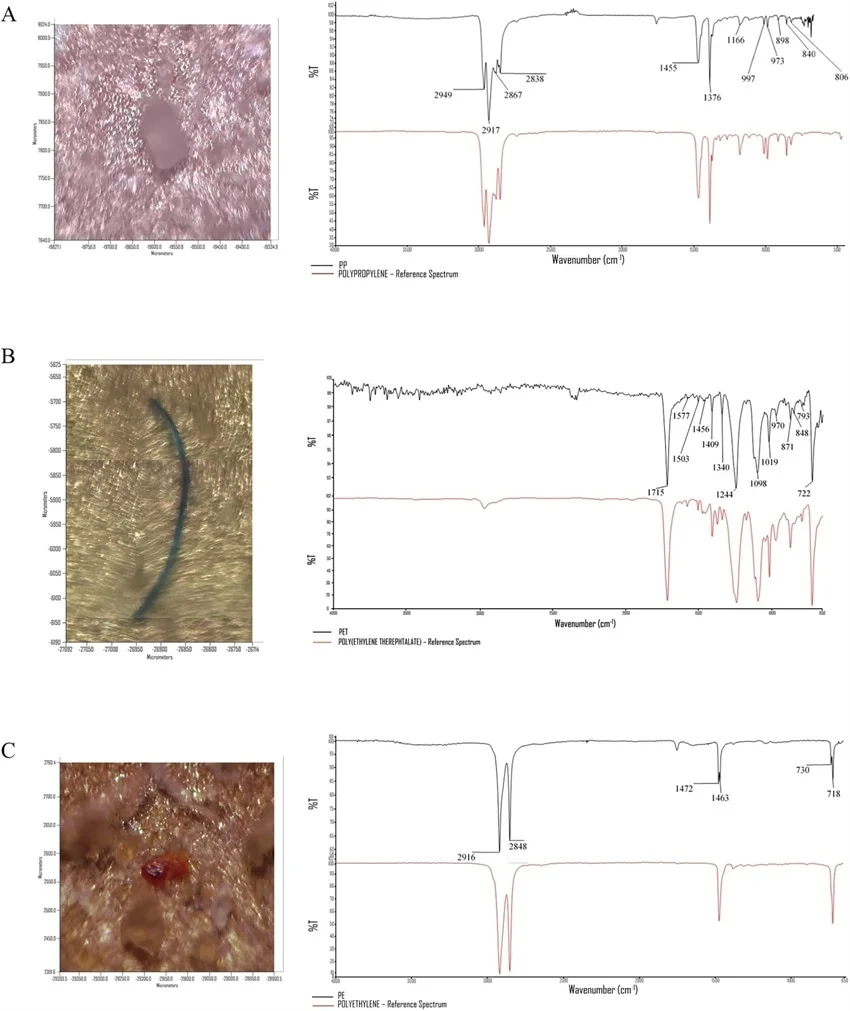
Color and size analysis of the particles provided further clues about their sources. Gray particles—often polyethylene or polystyrene—likely came from gaskets and conveyor belts, while red and blue flecks hinted at contamination from gloves or line markings.
While the toxicological impact of microplastics in dairy remains under study, their pervasive presence highlights the need for cleaner manufacturing, safer packaging materials, and stricter regulation.
The findings call for renewed industry vigilance, urging producers to reassess every stage of dairy production. The researchers emphasize the need to replace abrasion-prone materials and invest in biodegradable alternatives to protect both consumer health and product integrity.