


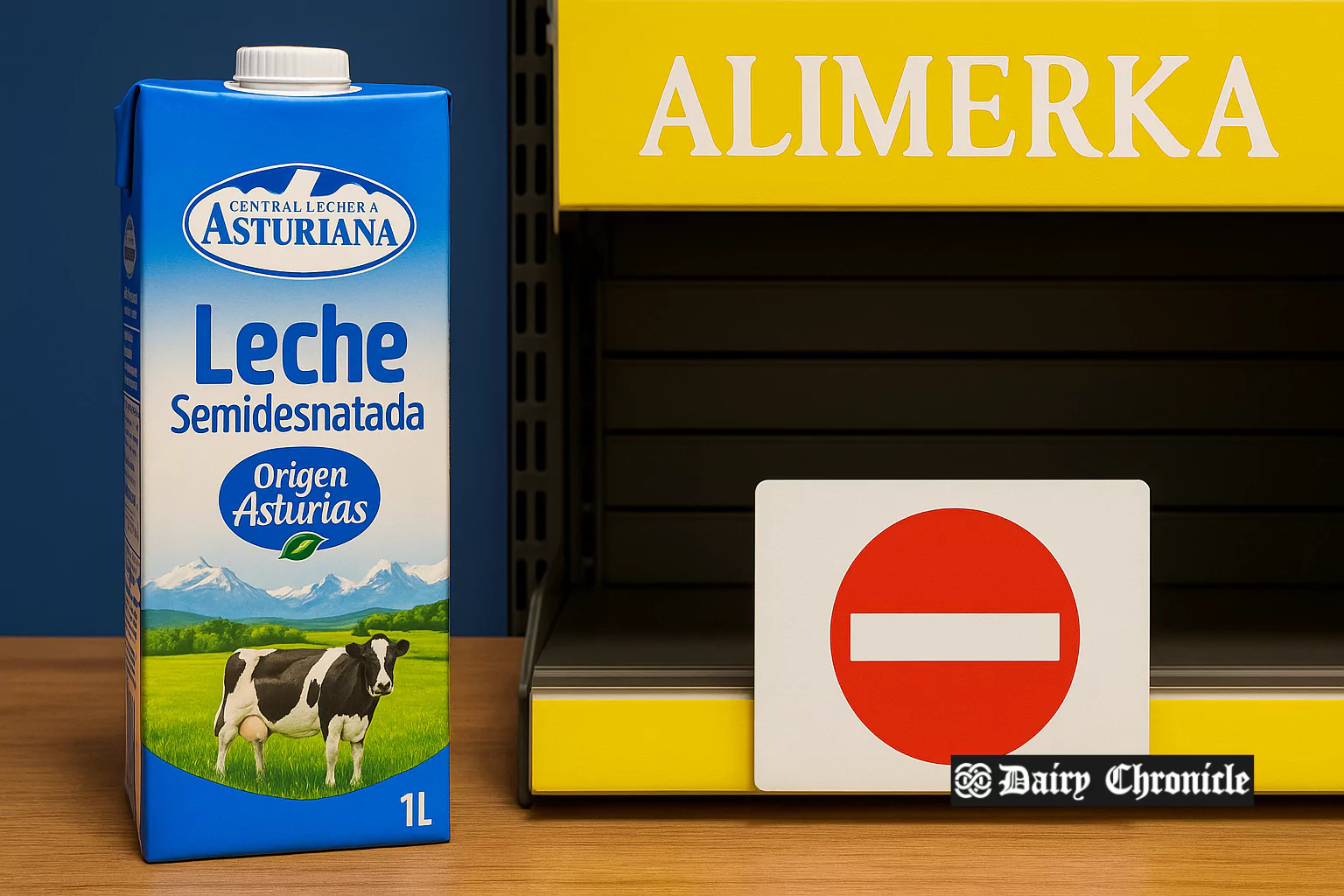
In Spain, a major commercial conflict has led to the removal of Central Lechera Asturiana milk products from Alimerka supermarkets. The fallout stems from failed negotiations around new supply terms, impacting dairy farmers, consumers, and regional supply chains. The dispute underscores growing tension in the retail–producer dynamic amid rising cost pressures across the European dairy sector.
In a move shaking up Spain’s regional dairy landscape, Central Lechera Asturiana—a leading Spanish dairy cooperative—has been pulled from the shelves of Alimerka, a prominent supermarket chain operating throughout the northwest of Spain. The decision follows a breakdown in commercial negotiations, reflecting deeper structural tensions within the country’s dairy supply chain.
According to company sources, multiple meetings between the two entities failed to produce an agreement on revised supply terms. Central Lechera Asturiana has cited a need to uphold fair pricing models that ensure the financial viability of its farmer-members, largely based in Asturias. The cooperative argues that accepting Alimerka’s latest conditions would undermine its economic framework and endanger the sustainability of many small- and medium-scale dairy operations.
The protection of our farmer partners and the economic integrity of rural dairy producers must take precedence over volume-driven retail strategies.”
José Armando Tellado, General Director of the Cooperative
This development marks a significant reshuffling of Spain’s dairy retail space, especially as Alimerka now faces the immediate challenge of replacing one of its key suppliers. Analysts expect the retailer to redistribute shelf space among existing dairy providers, potentially realigning supplier power dynamics in northern Spain’s fast-moving consumer goods (FMCG) segment.
Beyond logistics, the conflict points to larger macroeconomic trends affecting European agribusiness: inflationary costs in feed, packaging, and transportation have tightened margins for dairy producers, while retailers continue to seek cost efficiencies in procurement to keep consumer prices stable.
The withdrawal of Central Lechera Asturiana’s product line may not go unnoticed by consumers who prefer regional dairy brands known for their quality and traceability. Meanwhile, farmer advocacy groups are urging policymakers to acknowledge the imbalance in bargaining power between large retailers and agricultural cooperatives, calling for long-term mechanisms that protect producer interests without disrupting consumer access.
While this commercial standoff appears definitive for now, Central Lechera Asturiana has not ruled out future negotiations. The cooperative signaled openness to renewed discussions—on the condition that future agreements reflect mutual benefit and shared responsibility across the value chain.
This case serves as a critical reminder that fair-trade frameworks and strong contractual integrity are essential in preserving both economic resilience and consumer trust within the dairy industry.
6 Comments
FLluOOrB
tezbyx
swJFJGOpgg
a4k5v6
v410tx
6ybwdh